Why Poverty Crushes Learning in Nigeria
The Core Insight
How Poverty Undermines Learning Outcomes in Nigeria

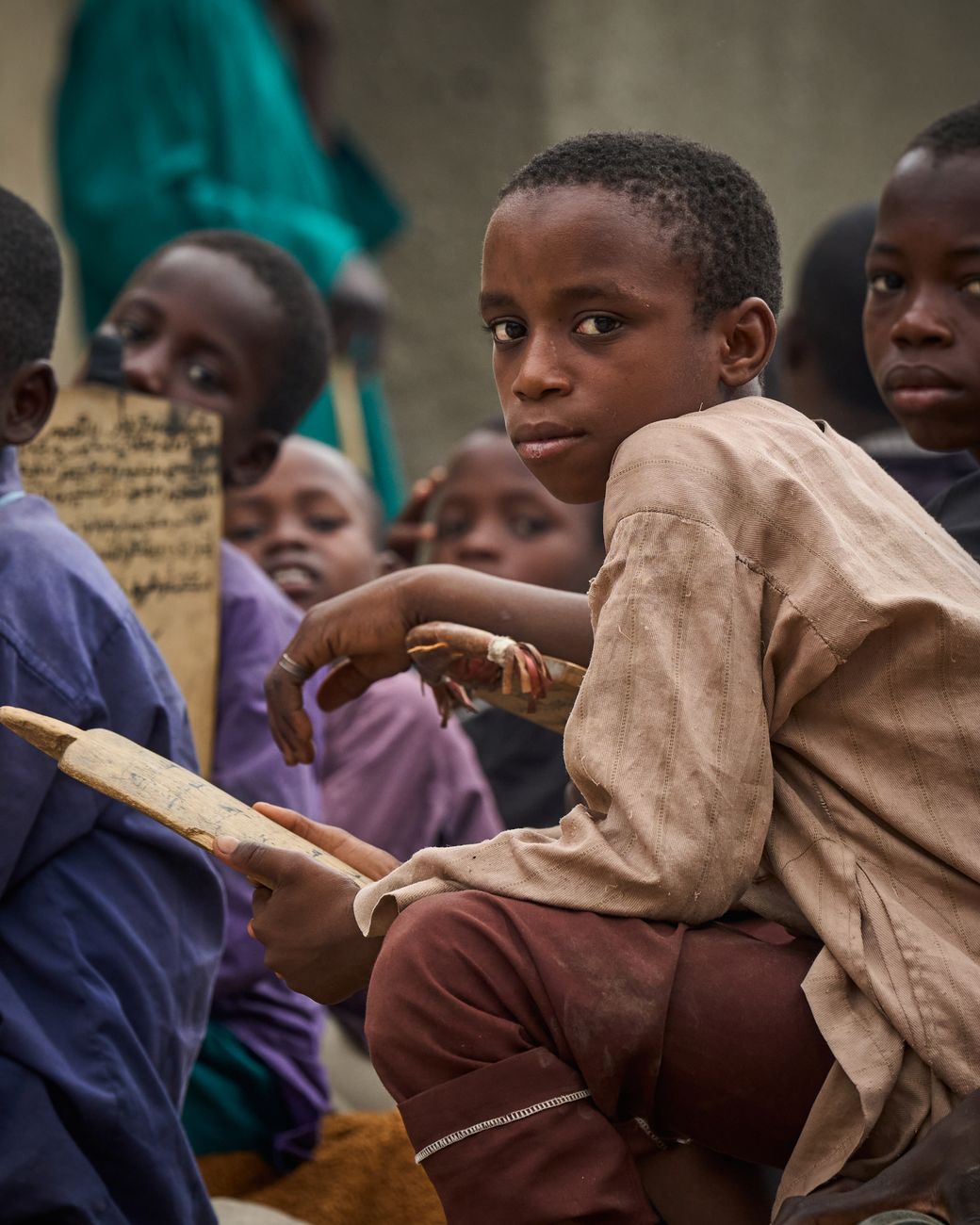
(Credit: Armstrong Opulency via Pexels)
Education is widely regarded as one of the most powerful tools for breaking cycles of poverty and promoting national development. In Nigeria, however, poverty has become one of the biggest obstacles preventing millions of children from accessing quality education and achieving strong learning outcomes. While school enrolment rates have improved in some regions, educational attainment and learning performance remain deeply unequal due to economic hardship.
Nigeria faces one of the world’s most severe learning crises. According to UNICEF, the country has one of the highest numbers of out-of-school children globally, with millions either excluded from formal education or receiving poor-quality instruction. Poverty is central to this crisis, as children from low-income households experience poor academic performance, irregular attendance, dropout, malnutrition, and limited access to resources.
The relationship between poverty and learning extends beyond school fees, affecting nutrition, health, psychological stability, technology access, materials, transportation, and school quality. This mirrors broader socio-economic inequalities, with research showing disadvantaged students perform worse. The World Bank warns of a “learning poverty” crisis,the inability to read and understand simple texts by age 10. See World Bank Learning Poverty Brief.
Poverty Limits Access to Basic Conditions for Learning

(Credit: Şeyhmus Kino via Pexels)
Poverty denies children basic conditions for effective learning, undermining concentration and performance. Nutrition is key: research links malnutrition to fatigue, poor concentration, and delayed cognitive growth. Food insecurity is widespread in rural and conflict areas. The World Food Programme notes undernourished students struggle with attention and performance, with many Nigerian pupils attending without adequate meals. WFP Nigeria.
Healthcare access is limited, leading to untreated illnesses like malaria, absenteeism, and undiagnosed issues. Poor living conditions,overcrowded, without electricity or ventilation,hinder study. Families cannot afford textbooks, uniforms, transportation, or internet, exacerbating the digital divide, as seen during COVID-19. UNICEF Digital Learning Report.
Schools in poor communities lack qualified teachers, labs, libraries, and infrastructure, with overcrowded classrooms. Research shows lower outcomes in underfunded schools compared to better-resourced ones, widening gaps with elite privates. UNESCO Nigeria Education Data.
Psychological and Social Effects of Poverty

(Credit: Timur Weber via Pexels)
Poverty impacts students psychologically, with chronic stress affecting cognition, memory, and emotional regulation, leading to anxiety and depression. Unstable homes, parental stress, and child labor (hawking, farming) cause exhaustion and absenteeism.
Stigma, bullying over appearance or fees erodes self-esteem. Girls face early marriage or chores. In northern Nigeria, conflict and displacement disrupt education. UNESCO reports displaced, poor children risk greater dropout. Nigeria's political instability compounds this, as seen in ongoing political shifts.
Long-Term National Consequences

(Credit: RDNE Stock project via Pexels)
Poor outcomes harm Nigeria’s economy, productivity, and stability. Human capital relies on education quality; weak foundational skills limit employment and innovation. This perpetuates intergenerational poverty, with graduates lacking competencies. Economic disparities are evident as ESG firms capture much capital.
Inequality widens as wealthier families access better options. High unemployment and exclusion fuel crime and unrest. Investment in education reduces poverty and boosts resilience. Local governance issues, like court delays in Gombe, hinder reforms.
Addressing the Crisis
Solutions require improving access and quality: invest in infrastructure, teachers, materials, electricity, and digital resources. School feeding programs boost attendance and performance. Train teachers, provide cash transfers, scholarships, and mental health support. Expand technology access and address root poverty through economic policies. World Bank Nigeria Overview.
Conclusion
Poverty barriers extend to nutrition, health, well-being, school quality, and achievement, creating unequal outcomes based on socio-economic background. Solving this demands investment, reform, and recognizing education-economic links. Reducing poverty-driven inequality is essential for Nigeria’s future.
Read also: Rescuing Nigeria’s Future | Classroom vs. Workplace Gap
Related researchHand picked for you by Author

Hantavirus Cruise Outbreak: Next Pandemic?
A rare Andes hantavirus outbreak on cruise ship MV Hondius from Argentina has caused 8 cases and 3 deaths, with international tracing underway. Expert...

Ozempic Revolutionizing Obesity Treatment?
GLP-1 agonists like Ozempic, Mounjaro, Wegovy, and Zepbound lead weight loss with 6-20% reductions, suppress appetite, and reduce heart/kidney risks. ...

8 Sneaky Asthma Triggers Hiding in Plain Sight
Asthma inflames airways, worsened by common and unexpected triggers like thirdhand smoke, weather shifts, stress, insect bites, nitrogen dioxide, chem...

GLP-1s Cut Asthma Attacks 14% in Overweight Patients
New research at AAAAI shows GLP-1 drugs linked to 12-15% fewer asthma flare-ups in overweight/obese patients, possibly via reduced inflammation beyond...

Master AMD Management: Home Monitoring Secrets
Age-related macular degeneration (AMD) lacks a cure, but proactive monitoring with tools like the Amsler grid and FDA-authorized ForeseeHome device, r...
You Might Also Like





Elijah Tobs
A seasoned content architect and digital strategist specializing in deep-dive technical journalism and high-fidelity insights. With over a decade of experience across global finance, technology, and pedagogy, Elijah Tobs focuses on distilling complex narratives into verified, actionable intelligence.
Learn More About Elijah Tobs