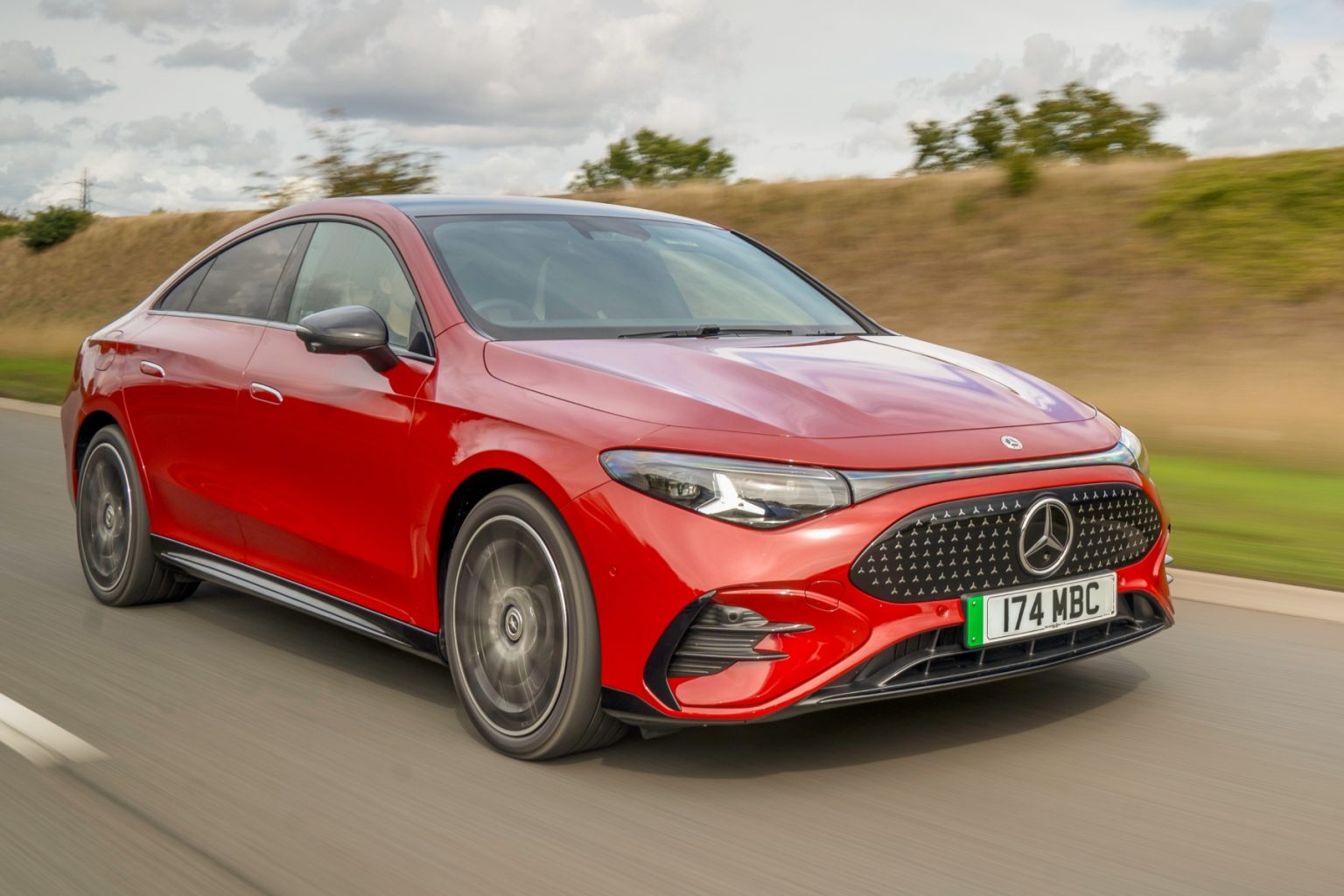
Toyota Urban Cruiser: The Secret Reason Why It’s a Game Changer
Elijah TobsBy Elijah Tobs
Electronics
May 25, 2026 • 8:03 PM
2m2 min read
Verified
The Core Insight
The 2025 Toyota Urban Cruiser marks the brand's second foray into the pure EV market. Developed in partnership with Suzuki, this compact SUV prioritizes interior space, reliability, and long-term warranty peace of mind over class-leading performance or charging speeds. It offers two battery configurations and a suite of safety tech, positioning it as a practical, family-oriented choice in a crowded segment.
As the founder and primary investigative voice at Kodawire, Elijah Tobs brings over 15 years of experience in dissecting complex geopolitical and financial systems. His work is centered on the ethical governance of emerging technologies, the shifting architectures of global finance, and the future of pedagogy in a digital-first world. A staunch advocate for high-fidelity journalism, he established Kodawire to be a sanctuary for deep-dive intelligence. Moving away from the ephemeral nature of modern headlines, Kodawire delivers permanent, verified insights that challenge the status quo and empower the global reader.
The 2025 Toyota Urban Cruiser: A Pragmatic Approach to Electric Motoring
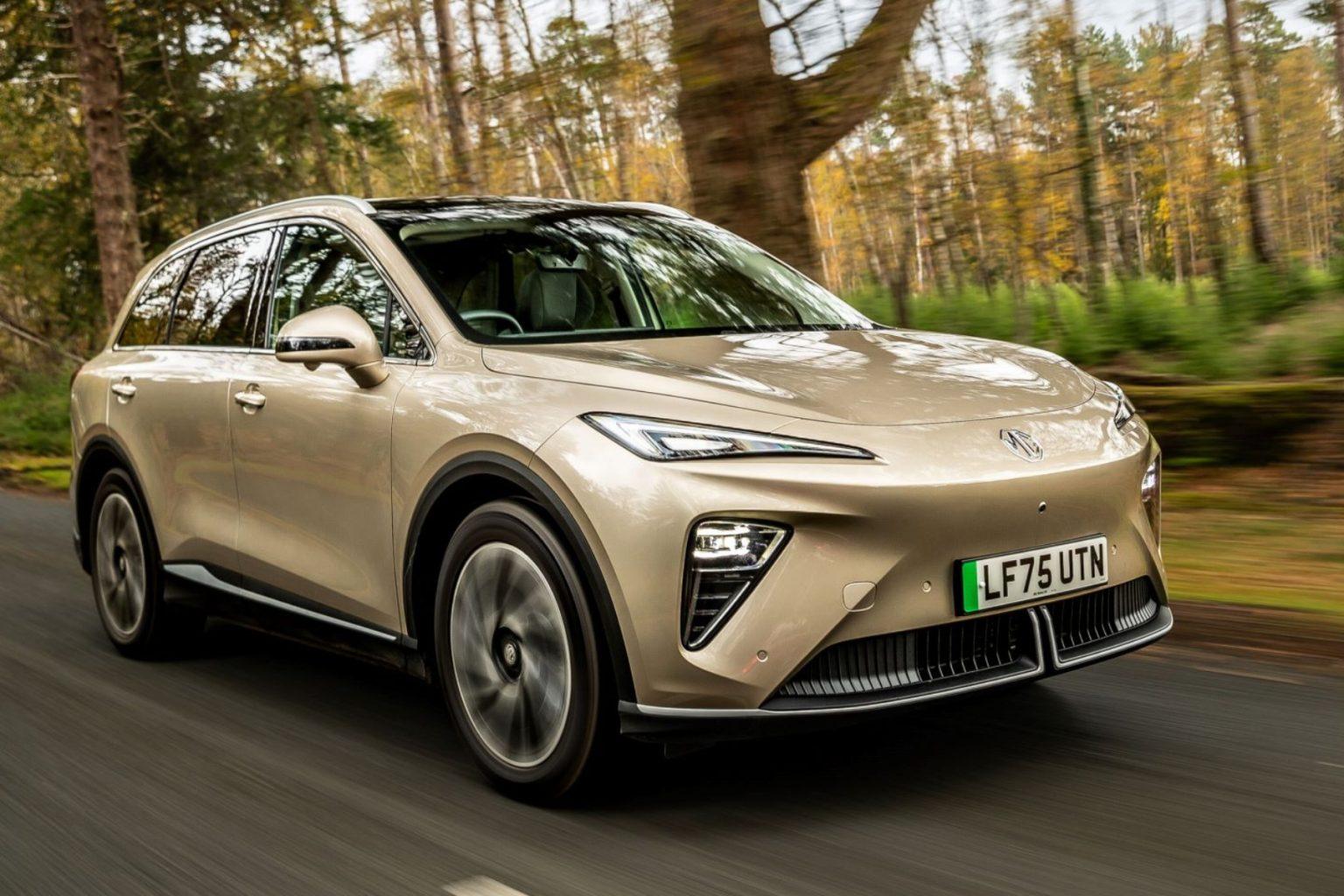
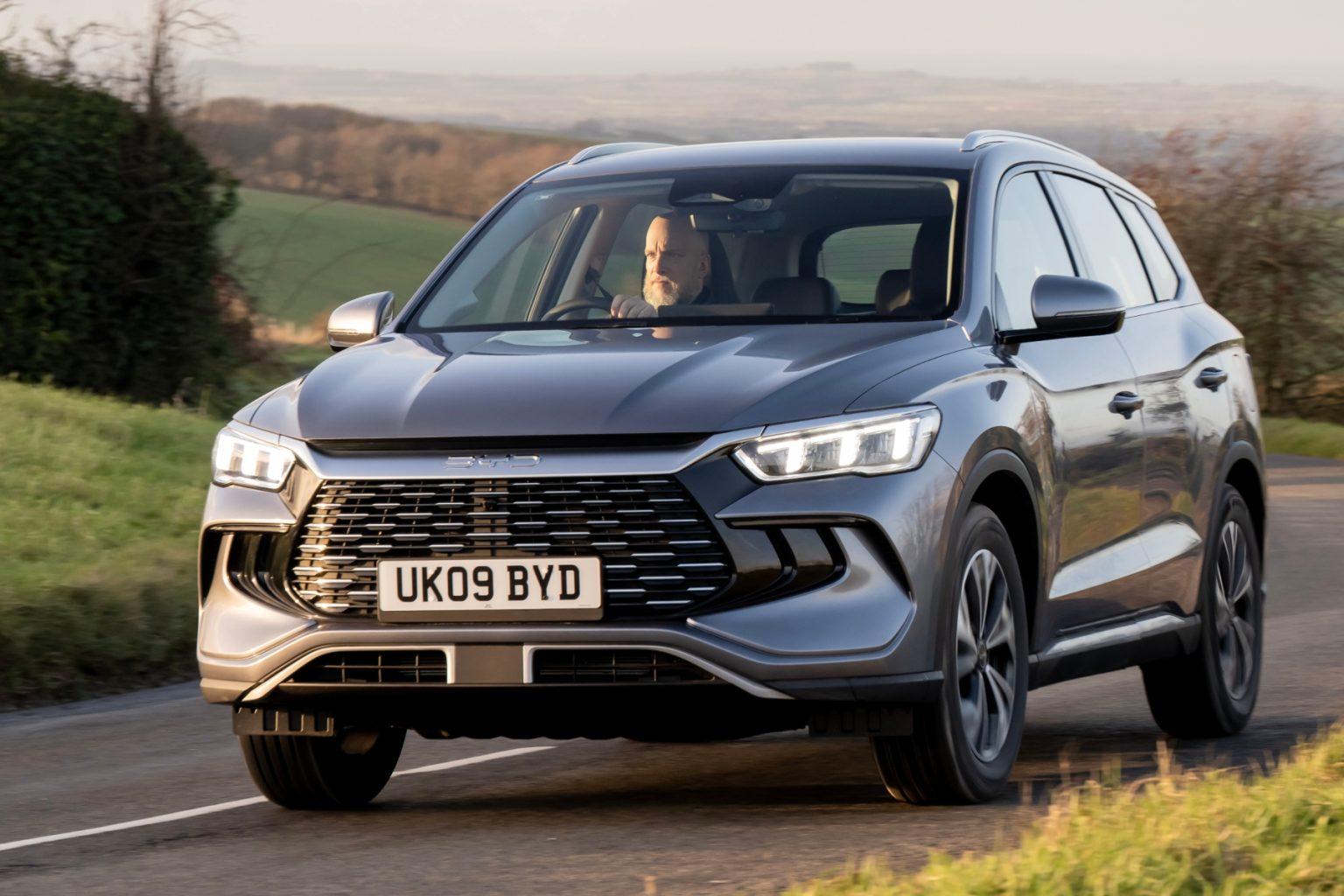
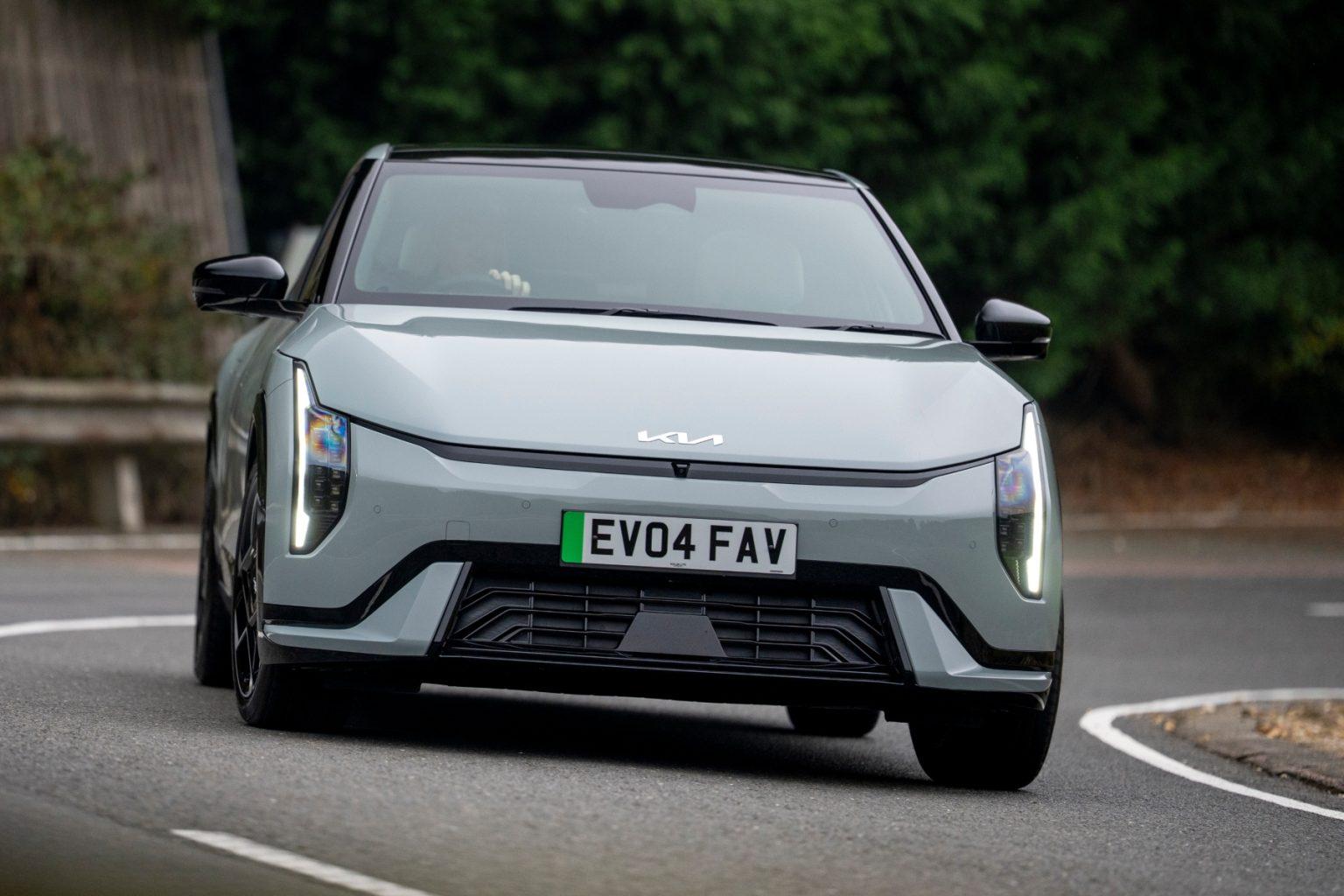
The compact SUV market is currently a battlefield. With the arrival of the 2025 Toyota Urban Cruiser, the Japanese manufacturer is making a serious play in the electric space, slotting this model beneath the larger bZ4X. Developed in collaboration with Suzuki, specifically sharing DNA with the e Vitara, this vehicle enters a segment crowded with heavy hitters like the Kia EV3, Ford Puma Gen-E, and the Renault 4. Having spent time behind the wheel, I can tell you that this isn't a car designed to set your pulse racing on a winding B-road. Instead, it is a calculated, sensible entry for those who prioritize long-term reliability over raw performance.
What You Need to Know
The Value Proposition: Starting at £29,995, it offers a competitive entry point into the electric SUV segment.
Range & Power: Choose between a 49kWh battery (213-mile range) or a 61kWh pack (264-mile range).
Warranty Security: The standout feature is the potential for a 10-year/100,000-mile vehicle warranty and a 10-year/650,000-mile battery warranty, provided you service it annually at a Toyota dealership.
Practicality First: While the boot is modest at 244 litres, the sliding rear seats offer a clever way to balance passenger legroom and cargo space.
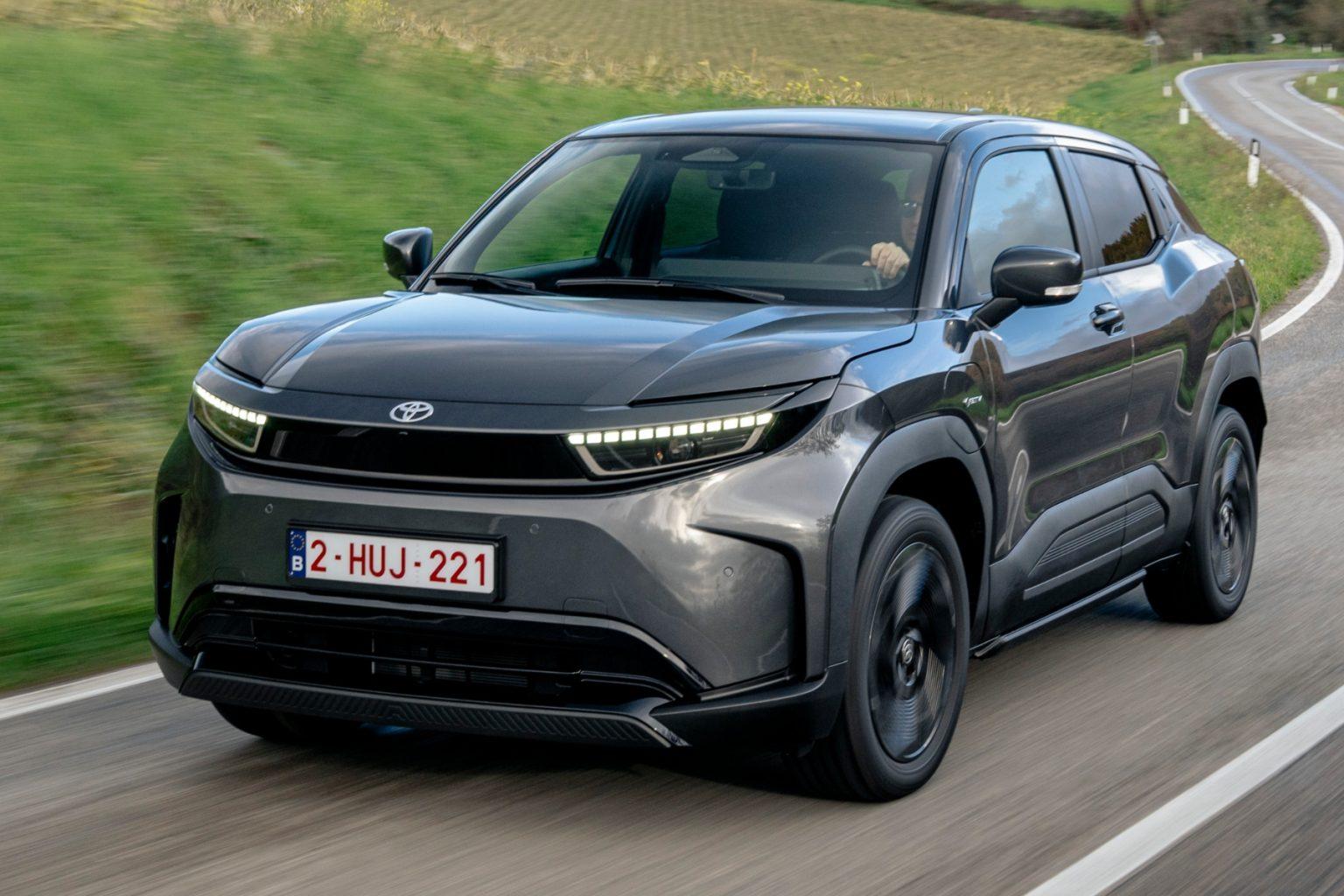
The 2025 Toyota Urban Cruiser features a distinct, chunky stance designed for city navigation. (Credit: Jon Tyson via Unsplash)
My Personal Verdict: The Practicality Trade-off
When I look at a new EV, I’m usually checking for two things: how it handles the daily commute and how it feels after three years of ownership. Living in a city where parking is tight and road surfaces are often neglected, I appreciate the Urban Cruiser’s light, direct steering and its tight turning circle. It makes urban navigation effortless. However, I have to be honest about the suspension, it’s on the stiffer side. You will feel those potholes. If you are looking for a plush, cloud-like ride, this might not be your first choice. But for the pragmatic buyer who wants a car that will likely outlast the competition due to Toyota’s service-linked warranty, the trade-off is clear.
Why You Can Trust This
My assessment of the Urban Cruiser is based on a full day of real-world testing in mixed autumnal conditions. I didn't just look at the spec sheet; I tested the regenerative braking, measured the actual usability of the sliding rear seats, and evaluated the cabin ergonomics. I have cross-referenced the manufacturer’s claims against my own observations regarding range and charging times to ensure you get an accurate picture of what it’s like to live with this car, rather than just what the marketing brochure suggests.
The Strategic Shift: Toyota’s Second Pure EV
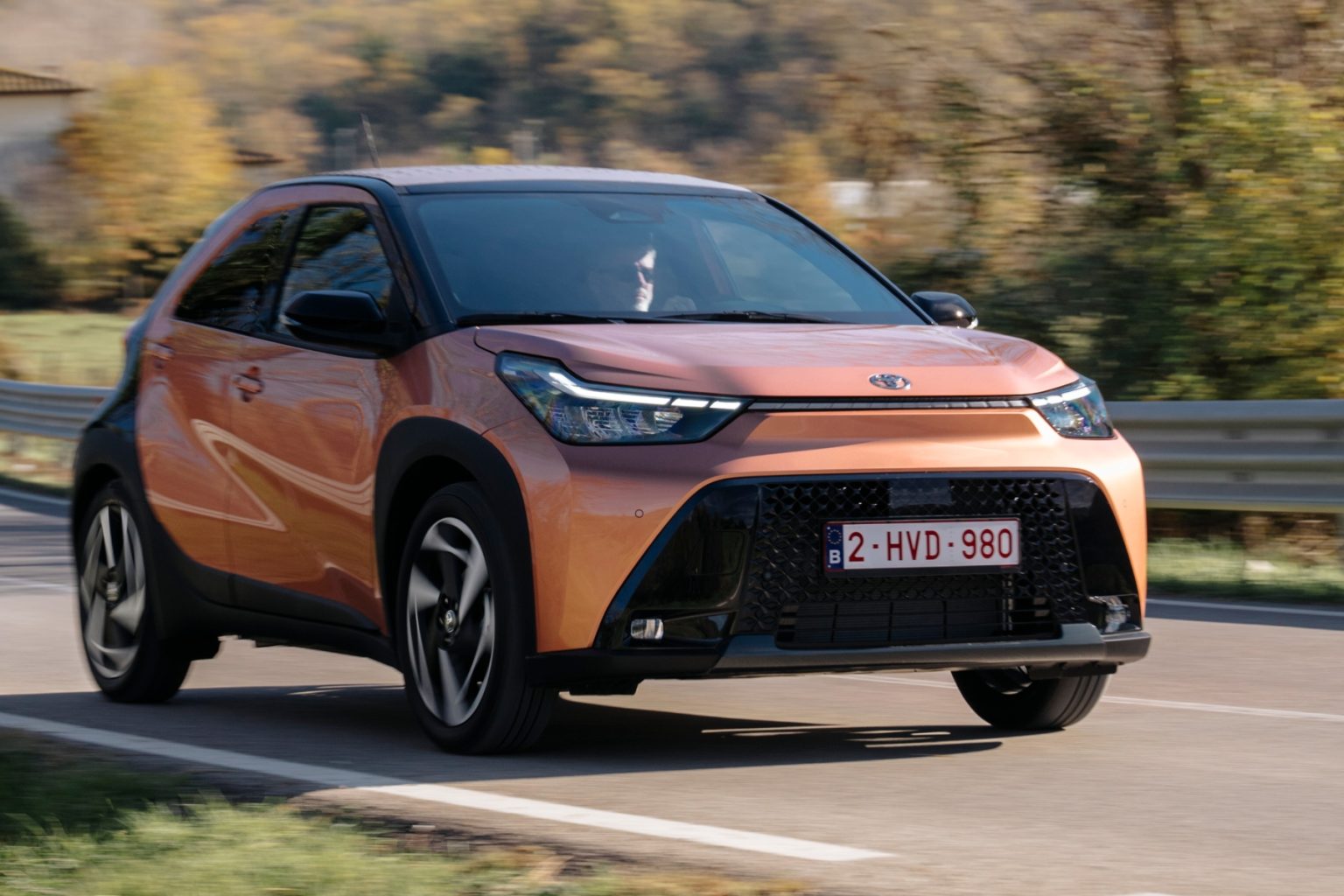
It is fascinating to see Toyota, a brand that built its reputation on hybrid dominance, finally expanding its pure electric portfolio. The Urban Cruiser revives a nameplate from the 2009-2012 era, but the 2025 iteration is a completely different animal. By partnering with Suzuki, Toyota has managed to enter the compact SUV segment with a vehicle that feels purposeful. The design language is unmistakably modern, featuring the brand’s signature "hammerhead" front end and a full-width rear light bar that gives it a distinct, chunky stance on the road.
The Hardware Breakdown
Under the skin, the Urban Cruiser is built on a platform designed for efficiency rather than extreme performance. The entry-level Icon trim utilizes a 49kWh battery producing 141bhp, while the Design and Excel trims step up to a 61kWh pack with 171bhp. Both models are front-wheel drive. The interior tech is anchored by a 10.1-inch multimedia display and a 10.25-inch digital driver’s display. While the build quality is solid, you get a satisfying "clunk" when you close the doors, the cabin relies heavily on hard plastics, with soft-touch materials being somewhat sparse.
The cabin features a 10.1-inch multimedia display and a 10.25-inch digital driver’s display. (Credit: Brice Cooper via Unsplash)
Performance and Battery Specs
The driving experience is defined by four modes: Eco, Normal, Sport, and Snow. In my testing, Normal mode provided the most balanced experience. The 61kWh model hits 0-62mph in 8.7 seconds, while the 49kWh version takes 9.6 seconds. It’s quick enough for city traffic, but the lack of steering wheel paddles for regenerative braking is a missed opportunity. You are forced to use a button on the centre console, which feels like a blunt instrument, useful for steep descents, but not for fine-tuning your driving style in traffic. Understanding how EV range behaves in real-world conditions is essential for any prospective buyer.
Many reviewers will tell you that the Urban Cruiser’s charging speed is a dealbreaker. It takes 45 minutes to go from 10-80%, which is slower than some of its rivals. However, I argue that for the average driver, this is a non-issue. If you are charging at home overnight, the 264-mile range (or the 210 miles I observed in real-world conditions) is more than enough for 95% of daily trips. The obsession with 20-minute charging times often ignores the reality of how most people actually use their cars.
Will It Survive Daily Use?
This is where the Urban Cruiser shines. Toyota’s decision to offer a 10-year/650,000-mile battery warranty is a massive statement of confidence. Most EVs on the market today will see significant battery degradation long before that point. By tying the extended vehicle warranty to annual servicing at a dealership, Toyota is essentially guaranteeing that if you look after the car, they will look after you. For a long-term owner, this is arguably more valuable than a slightly faster charging curve.
Interior Packaging: Where Space Meets Utility
The interior is a game of two halves. Up front, the driving position is commanding, though the centre console could be slimmer to provide more legroom. In the back, the sliding seat system is the star of the show. It allows you to prioritize either passenger comfort or boot space. The boot starts at a modest 244 litres, but sliding the seats forward expands this to 310 litres, and folding them flat opens up a total of 566 litres. It’s a clever, flexible solution for a compact footprint.
The Decision Matrix
Not sure if the Urban Cruiser is for you? Use this quick guide:
If you prioritize long-term ownership and peace of mind: The Urban Cruiser is a top-tier choice due to the 10-year warranty.
If you are a driving enthusiast who wants sharp handling: Look elsewhere; the suspension is stiff and the driving dynamics are tuned for comfort, not sport.
If you need maximum cargo space for a family: The sliding seats help, but you may find the 244L base boot capacity limiting compared to the Kia EV3 or other competitors.
Trim Levels and Equipment Tiers
The range is split into three distinct tiers:
Icon: The entry point, featuring 18-inch alloys, the 10.1-inch display, and a heat pump for efficiency.
Design: Adds creature comforts like heated front seats, a heated steering wheel, and a wiper de-icer, essential for those cold winter mornings.
Excel: The luxury tier, adding 19-inch alloys, a JBL sound system, a fixed glass sunroof, and synthetic leather upholstery.
My Recommended Setup
If I were buying this car, I would opt for the Design trim. It hits the sweet spot of value and comfort. I’d also recommend keeping a high-quality portable EV charging cable in the boot for those times when you’re away from your home wallbox, and using a dedicated smartphone mount if you prefer not to rely solely on the native infotainment interface for navigation.
The Toyota Urban Cruiser is a car that prioritizes the long haul over the short-term thrill. It isn't the fastest, nor does it charge the quickest, but it offers a level of security that is rare in the current EV market. Does the promise of a 10-year battery warranty outweigh the need for faster charging speeds in your eyes? I will be replying to every comment in the first 24 hours, so let me know your thoughts.
The standout feature is the potential for a 10-year/100,000-mile vehicle warranty and a 10-year/650,000-mile battery warranty, provided the vehicle is serviced annually at a Toyota dealership.
The boot starts at 244 litres, but sliding the rear seats forward expands the capacity to 310 litres, with a total of 566 litres available when the seats are folded flat.
The Urban Cruiser takes approximately 45 minutes to charge from 10% to 80%.
Active Engagement
Was this information helpful?
Join Discussions
0 Thoughts
Editorial Team • Question of the Day
"If you were buying an electric SUV today, would you choose a car with better performance or one with a longer, more reliable warranty?"