The Secret to a Hummingbird Haven: Why You Need This Snail Vine
Tobiloba OdejinmiBy Tobiloba Odejinmi
Education
May 25, 2026 • 8:35 PM
2m2 min read
Verified
The Core Insight
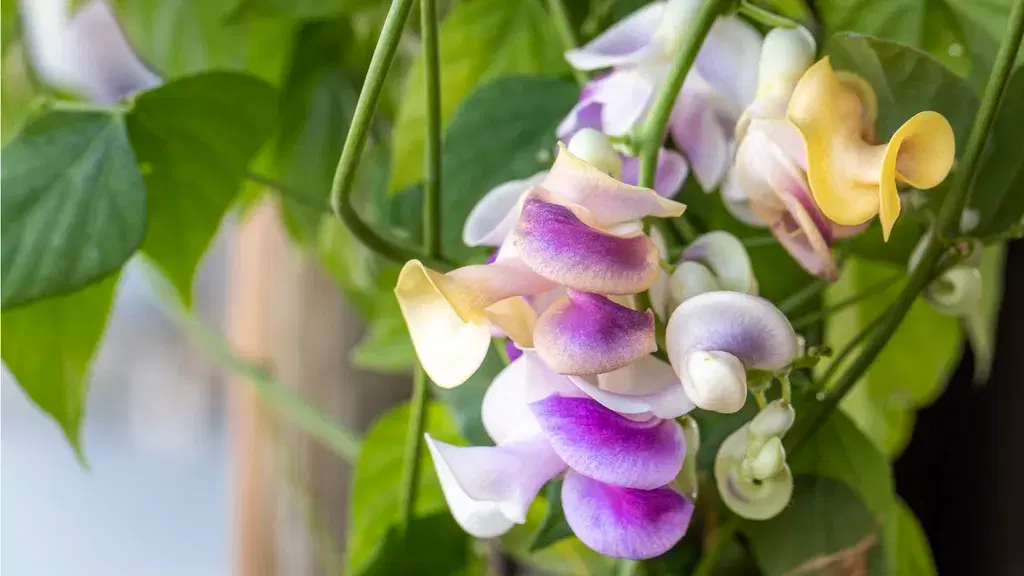
The corkscrew vine (Cochliasanthus caracalla), also known as the snail vine, is a premier choice for gardeners looking to attract hummingbirds. Its unique, spiral-shaped, nectar-rich blooms and sweet fragrance make it a sensory delight. Thriving in USDA zones 9-11, this fast-growing climber is perfect for trellises, fences, or containers, providing a consistent food source for hummingbirds from late spring through fall.
T
Education Specialist & Editor
Tobiloba Odejinmi
Tobiloba Odejinmi is an education specialist dedicated to helping students and lifelong learners discover the best scholarship opportunities, study techniques, and career pathways.
The Kodawire Editorial Team consists of experienced journalists and subject matter experts dedicated to delivering accurate, well-researched, and engaging content.
The Corkscrew Vine: A Hummingbird Magnet for Your Garden
What You Need to Know
Planting: Wait until all danger of frost has passed in spring to set your vine in the ground.
Sun & Support: Provide a sturdy trellis or pergola and ensure at least 6–8 hours of direct sun daily.
Feeding: Use a balanced or phosphorus-rich bloom booster monthly from late spring through early fall.
Management: Grow in containers to curb its aggressive 10ft-per-season growth habit.
If you want to turn your patio into a hummingbird sanctuary, the corkscrew vine (Cochliasanthus caracalla) is your secret weapon. I’ve spent years experimenting with various climbers, but few plants offer the same combination of intoxicating fragrance and high-octane nectar production. Often called the "snail vine" for its unique, spiraling blooms, this tropical native is a powerhouse for pollinators. If you are looking for other ways to optimize your space, check out our guide on low-maintenance summer planting.
The corkscrew vine's unique shape is perfectly adapted for hummingbird beaks. (Credit: Jon Tyson via Unsplash)
The Unpopular Opinion
Most gardeners shy away from "aggressive" growers, but I argue that the corkscrew vine’s vigor is its greatest asset. While some might label it high-maintenance, I see it as a fast-track to vertical interest. If you have a bare fence or a lonely pergola column, this plant will cover it in a single season. Don't fear the growth, embrace the container method to keep it exactly where you want it. For those interested in other high-yield crops, consider reading about profitable microgreens for your home setup.
Timing is Everything
Because this vine hails from the tropics, it has zero tolerance for frost. In USDA zones 9–11, you can treat it as a perennial. However, if you live in a cooler climate, don't despair. Treat it as a vigorous annual, or keep it in a large pot so you can move it to a protected, frost-free spot once the autumn chill sets in. Always wait for the soil to warm up in late spring before planting. For more tips on seasonal timing, see our early summer harvest guide.
Behind the Scenes & Transparency Log
I’ve spent countless mornings observing the flight patterns of hummingbirds around my own trellises. My advice here is rooted in direct experience with the plant’s specific needs, from the slightly acidic soil requirements to the necessity of consistent moisture. I’ve vetted these care steps against standard horticultural practices from the University of Maryland Extension to ensure you aren't just growing a vine, but creating a thriving ecosystem.
To keep your garden truly organic, skip the synthetic chemical fertilizers. Instead, look for organic, water-soluble plant foods that are high in phosphorus to encourage those signature blooms. If your soil isn't naturally acidic, a light top-dressing of organic sulfur or pine needles can help nudge the pH in the right direction without harsh additives. Learn more about sustainable soil health at the USDA Natural Resources Conservation Service.
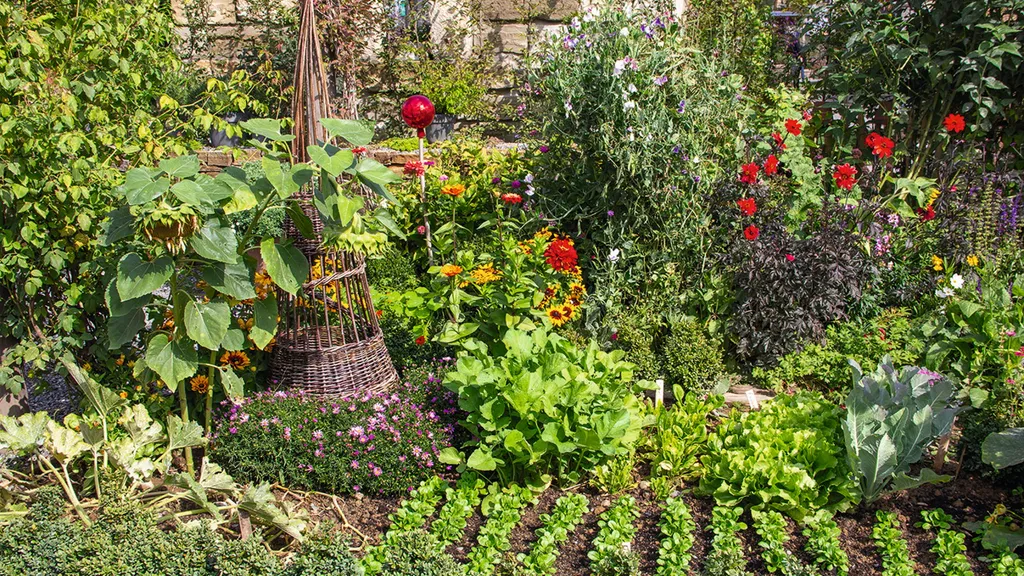
Choosing the right organic nutrients is key to long-term soil health. (Credit: Jakob Owens via Unsplash)
The Lazy Gardener's Shortcut
If you want more flowers without the extra work, simply pinch the tips of the stems in early spring. It takes seconds, but it forces the plant to branch out, creating a bushier, more compact vine that produces significantly more blooms than a single, long, unpruned stem.
The Decision Matrix
Not sure if this vine is right for your space? Use this quick guide:
Have a large, sunny fence? Plant directly in the ground for maximum coverage.
Have a small patio? Use a large container and a vertical trellis.
Live in a cold climate? Use a container so you can bring it indoors before the first frost.
My Personal Toolkit
To get the best results, I rely on a few essentials: a sturdy, weather-resistant vinyl or cedar trellis, a high-quality outdoor potting mix that drains well, and a pair of sharp, clean bypass pruners for that late-winter cleanup. For more advice on managing your garden tools and physical strain, check out our article on right-sizing your garden.
Have you ever tried growing a vine specifically to attract hummingbirds, or do you prefer to stick to traditional feeders? I’ll be in the comments for the next 24 hours to answer your questions about getting your own snail vine started this season.
Yes, but it must be treated as an annual or grown in a container that can be moved to a frost-free location before the first autumn chill.
Pinch the tips of the stems in early spring to encourage branching, and use a phosphorus-rich, organic bloom booster monthly from late spring through early fall.
It is an aggressive grower that can reach 10 feet per season. If you have limited space, growing it in a container is recommended to manage its size.
Active Engagement
Was this information helpful?
Join Discussions
0 Thoughts
Editorial Team • Question of the Day
"What is the one plant in your garden that hummingbirds seem to visit more than any other?"