The Nigerian Senate reversed controversial amendments to its 2026 Standing Orders due to constitutional conflicts with Section 52, amid backlash from Sen. Adams Oshiomhole who demanded Senate President Godswill Akpabio's resignation over a 'moral crisis' in eligibility rules favoring experienced senators. The changes aimed to restrict principal offices to those with two consecutive terms and enforce strict ranking, but were scrapped after review. This unfolds as governors position for 2027 Senate seats and leadership roles.
A seasoned content architect and digital strategist specializing in deep-dive technical journalism and high-fidelity insights. With over a decade of experience across global finance, technology, and pedagogy, Elijah Tobs focuses on distilling complex narratives into verified, actionable intelligence.
Senate Rescinds Controversial Amendments to Standing Orders 2026 Amid Oshiomhole's Call for Akpabio's Resignation
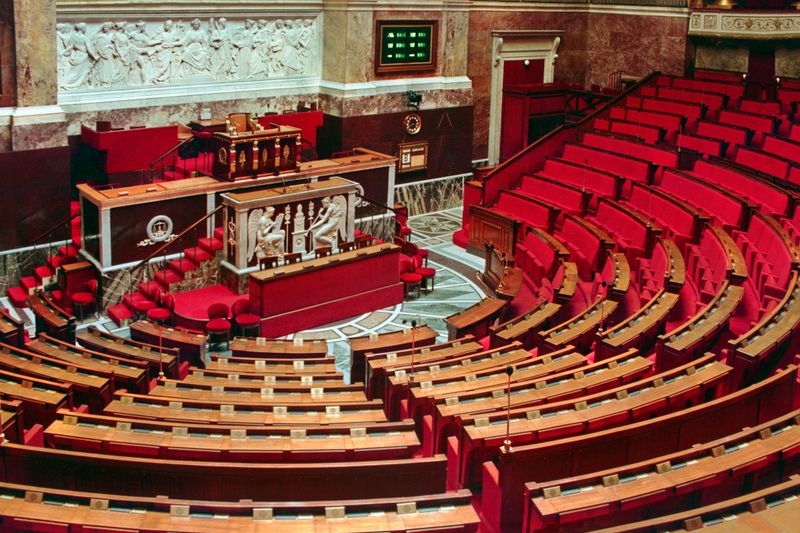
Senate plenary where amendments were rescinded (Credit: David Henry via Pexels)
The Senate on Thursday rescinded controversial amendments to its Standing Orders 2026 after lawmakers raised concerns that some provisions were inconsistent with the 1999 Constitution. The reversal occurred days after the upper chamber amended portions of its rules, sparking controversy and sharp exchanges among senators.
Motion to Rescind Amendments
Motion by Senate Leader Opeyemi Bamidele (Credit: Terrance Barksdale via Pexels)
Senate Leader Opeyemi Bamidele moved the motion during plenary, stating that a fresh legislative and constitutional review revealed conflicts in Order 2 Subsection 2 and Order 3 Subsection 1 with Section 52 of the Constitution.
“The Senate observes that upon further legislative and constitutional review, certain provisions introduced under Order 2 Subsection 2 and Order 3 Subsection 1 may give rise to constitutional inconsistencies and unintended tensions with the provisions of the Constitution of the Federal Republic of Nigeria 1999 as amended, particularly Section 52 thereof.”
Bamidele noted the Senate's parliamentary authority to revisit and reverse earlier decisions to safeguard its proceedings. The chamber resolved to rescind the amendments to those orders. The motion was seconded by Senator Enyinnaya Abaribe (Abia South).
Deputy Senate President Jibrin Barau, who presided, described the motion as necessary for constitutional alignment.
“This is a very straightforward motion , it’s just for us to go in conformity with the Constitution. I thank the Leader for being observant... It is something that is very clear, and we don’t need any debate in respect of this.”
Oshiomhole's Criticism and Call for Resignation
Senator Oshiomhole's sharp rebuke (Credit: Markus Winkler via Pexels)
Senator Adams Oshiomhole (Edo North) rebuked the process, arguing lawmakers rushed the amendments to satisfy vested interests.
“The way we rushed the rules because certain people wanted certain things concluded is one flaw in this process. That is just the point I want to make , that next time we should allow debate,” he said.
His comments led to exchanges, prompting Bamidele to invoke Rule 52(6) against reopening decided issues without a substantive motion.
“If His Excellency, Distinguished Senator Adams Aliyu Oshiomhole, had any problem with the decisions that were taken with respect to the amendment two days ago, what he was expected to do was to bring a substantive motion for rescission to be debated on the floor of this parliament,” Bamidele said.
Bamidele added that the controversy had overshadowed the Senate’s legislative activities: “Regardless of what was done in this hallowed chamber yesterday, what became the news out of this hallowed chamber was that of unnecessary drama, and we are not going to allow this to continue.”
Speaking to journalists after plenary, Oshiomhole described the amendments as rooted in a “moral crisis,” arguing they raised questions about fairness and eligibility. He claimed Akpabio does not meet the proposed eight-year threshold and should vacate the office.
“This rule has a serious moral crisis. The Senate president became the minority leader in his first term. He is now the one presiding and asking us to change those rules... As we speak today, the Senate president has not done eight years in office... So if we pass the rule that we must do eight consecutive years before you can become Senate president, it means he has to live by example by vacating because he is presiding without acquiring the necessary qualification.”
Oshiomhole referenced former Senate President David Mark's eight-year tenure without such rules, questioning the changes amid broader competition from incoming senators.
Context of Governors' Ambitions
The amendments occurred amid interest from outgoing governors and political heavyweights positioning for Senate seats in 2027 and top leadership roles. No fewer than 10 governors and several former governors are seeking senatorial tickets, leveraging party structures. Imo State Governor Hope Uzodimma, whose second term ends in January 2028, has obtained a Senate form. See related APC tensions over 2027 primaries.
Governors eyeing Senate seats in 2027 (Credit: Lavdrim Mustafi via Pexels)
Details of Overturned Amendments
The amendments included Revised Order 4, establishing a strict hierarchy for presiding officers based on ranking: (i) Former Senate President, (ii) Former Deputy, (iii) Former Principal Officers, (iv) Senators with at least one term, (v) Former House members, (vi) First-time senators. Learn more about recent Senate actions.
Order 5 required senators to have served at least two consecutive terms for principal offices, excluding first-timers and non-consecutive lawmakers from roles like Senate Leader, Deputy Leader, Chief Whip, and others.
Senate Committee on Judiciary Chairman Adeniyi Adegbomire clarified the rescission addressed oath-taking before voting and related eligibility provisions. “The proposal that was passed... was that you be sworn in before you can vote... We rescinded the order of oath-taking and eligibility to contest the election. This is for clarity.”
Senate Denies Presidency Pressure
The Senate dismissed reports of pressure from the Presidency, with Adegbomire stating the reversal followed internal review over constitutional implications. For Senate updates, visit the National Assembly portal.
Active Engagement
Was this information helpful?
Join Discussions
0 Thoughts
Editorial Team • Question of the Day
"Do you think Senate President Akpabio should resign over the rules controversy?"
The amendments in Order 2 Subsection 2 and Order 3 Subsection 1 were inconsistent with Section 52 of the 1999 Constitution, as revealed by a legislative and constitutional review.
Oshiomhole criticized the rushed process to satisfy vested interests and called for Senate President Akpabio's resignation, arguing Akpabio lacks the proposed eight-year threshold.
They included a hierarchy for presiding officers in Order 4 and a two-term requirement for principal offices in Order 5, plus oath-taking before voting.
The Senate denied Presidency pressure; the reversal followed an internal review over constitutional implications.
They occurred amid governors and heavyweights positioning for 2027 Senate seats and leadership roles.