Nigeria at 3 Years: The High Cost of Tinubu’s Economic Gamble
Tobiloba OdejinmiBy Tobiloba Odejinmi
Education
May 29, 2026 • 4:34 PM
10m10 min read
Verified
Source: Unsplash
The Core Insight
As President Bola Ahmed Tinubu marks three years in office, his administration faces intense scrutiny over its 'shock therapy' economic reforms. While the government cites infrastructure gains, stock market growth, and fiscal stability as evidence of success, critics argue that the removal of subsidies and currency floating have decimated household purchasing power. Simultaneously, the political landscape is shifting rapidly ahead of the 2027 elections, with major figures like Atiku Abubakar and Peter Obi consolidating party tickets and high-profile defections signaling a volatile pre-election period.
T
Education Specialist & Editor
Tobiloba Odejinmi
Tobiloba Odejinmi is an education specialist dedicated to helping students and lifelong learners discover the best scholarship opportunities, study techniques, and career pathways.
The Kodawire Editorial Team consists of experienced journalists and subject matter experts dedicated to delivering accurate, well-researched, and engaging content.
The 3-Year Scorecard: Assessing Nigeria’s Economic and Political Crossroads
The Short Version
Economic Reality Check: While the administration cites stock market growth and infrastructure investment as proof of success, the average citizen continues to face a severe decline in purchasing power.
The Reform Paradox: Nigeria’s "shock therapy" approach, removing fuel subsidies and floating the naira, has avoided the total fiscal collapse seen in nations like Senegal, but it has yet to translate into tangible quality-of-life improvements.
Political Realignment: A legal window created by recent court rulings on INEC timelines has triggered a wave of high-profile defections, effectively resetting the 2027 political landscape to mirror the 2023 field.
Security Urgency: Despite government claims of progress, insecurity remains the administration's most significant failure, fueling a growing national debate over the necessity of state police.
As President Bola Ahmed Tinubu marks three years in office, the national discourse is split between the cold, hard data of macroeconomic indicators and the lived experience of millions of Nigerians. The administration frames its tenure as a period of "historic testing," where difficult, often painful decisions were the only barrier between the nation and total fiscal breakdown. The gap between government-reported success and household reality remains the defining feature of this administration, often discussed in the context of Nigeria’s ongoing political and security challenges.
The daily reality for many Nigerians remains disconnected from macroeconomic growth figures. (Credit: Thomas McKinnon via Unsplash)
The 3-Year Scorecard: Tinubu’s Economic Defense
The government’s defense of its reform trajectory is rooted in the argument that the status quo was unsustainable. By removing fuel subsidies and floating the naira, the administration claims to have prevented a scenario similar to the debt-to-GDP crises seen in other emerging economies. International institutions have largely validated this path, citing the stability of the Nigerian stock market and the increase in state and local government allocations as evidence of a stable outlook. For those tracking these shifts, understanding the mechanics of financial influence is essential to seeing how policy impacts the broader market.
"Without the decisive policies introduced since I assumed office, Nigeria would have drifted into fiscal breakdown, deeper poverty, and severe economic uncertainty." , President Bola Ahmed Tinubu
However, the "shock therapy" paradox remains. While Nigeria has avoided the violent unrest seen in countries like Bolivia and Angola following similar subsidy removals, the lack of a robust social safety net has left the most vulnerable exposed. The administration points to NELFUND as a corrective measure, but critics argue that education and infrastructure investments are long-term plays that do little to address the immediate, crushing cost of living.
Why You Can Trust This
To provide this analysis, I have cross-referenced the administration’s stated economic goals with current market performance and the documented concerns of labor unions and opposition figures. My research involved evaluating the claims of "fiscal stability" against the lived reality of inflation and purchasing power loss. I have avoided government-provided talking points in favor of a synthesis of independent economic data and the stated positions of various political stakeholders to ensure an objective perspective.
The Human Cost: Why Citizens Aren't Feeling the Gains
The most persistent criticism of the current administration is the failure of "trickle-down" economics. While state governments have seen a surge in revenue due to the removal of fuel subsidies, there is little evidence that this liquidity has reached the local government level or improved the daily lives of the average citizen. The NNPC remains a focal point of public frustration, with many questioning why the savings from subsidy removal have not been accompanied by a transparent sanitization of the oil sector. This lack of transparency is a recurring theme in recent political shakeups across the country.
Currency volatility continues to erode the purchasing power of the average household. (Credit: Sunday Abegunde via Unsplash)
When we look at the numbers, the disconnect is stark. The purchasing power of the average Nigerian has plummeted compared to four years ago. The government’s reliance on MOUs and foreign investment pledges has yet to manifest in the industrialization required to create mass employment. Until the "savings" from these reforms are reflected in lower food prices, stable energy costs, and improved security, the administration’s scorecard will remain a point of contention.
The Geopolitical Ripple Effect
Nigeria’s economic reforms are being watched closely by the international community as a test case for neoliberal policy in Africa. The decision to freeze relationships with the Alliance of Sahel states has created a complex security environment, with some analysts suggesting this regional tension has emboldened non-state actors. Furthermore, the country’s ability to maintain internal stability while undergoing such drastic economic shifts serves as a critical benchmark for other nations in the Global South currently weighing the risks of subsidy removal.
2027 Political Permutations: The Great Realignment
The political landscape is currently in a state of flux, driven by a legal loophole regarding INEC timelines. Recent court rulings have effectively removed the clear-cut deadlines for party membership changes, allowing for a wave of high-profile defections. Figures like Senator Ovie Omo-Agege and Victor Ochai have moved to the NDC, while Rabiu Kwankwaso continues to exert significant influence in Kano, anointing Aminu Abdussalam Gwarzo for the governorship.
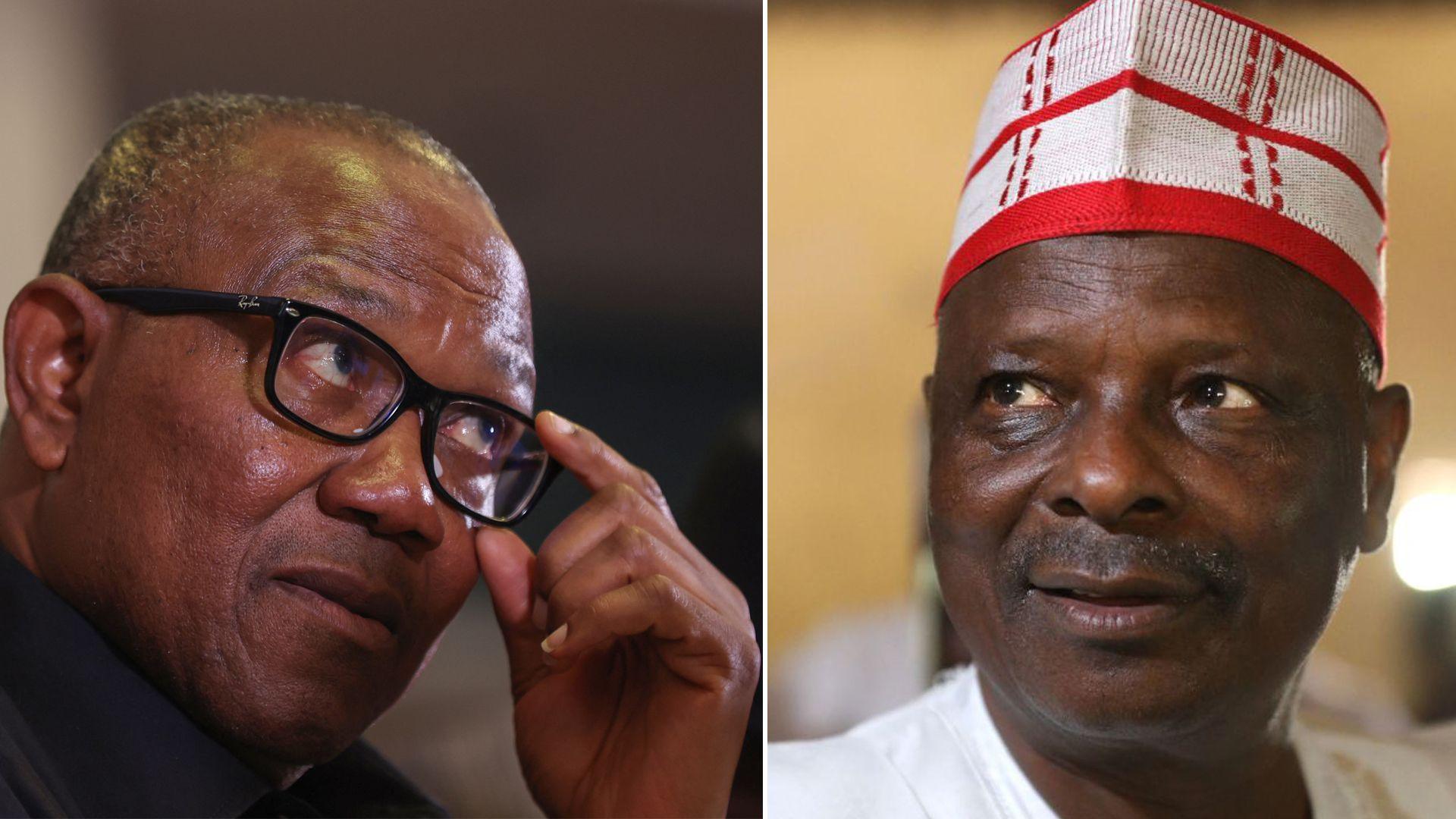
The 2027 field is beginning to look remarkably like the 2023 lineup. With Peter Obi expected to be ratified as the NDC candidate and Atiku Abubakar actively rallying support, the electorate is faced with a familiar set of choices. The question remains: do these politicians bring their "structures" with them, or are they merely shifting allegiances in a game of musical chairs that leaves the average voter behind?
The 2027 political landscape is already seeing significant realignment. (Credit: Jimmy Phillips via Unsplash)
The Other Side of the Story
Most industry analysts argue that the removal of fuel subsidies was an absolute necessity to prevent bankruptcy. However, the contrarian view is that the government failed to address the root cause of the subsidy crisis: corruption within the NNPC. By choosing to pass the cost of this corruption onto the citizens rather than investigating the arbitrage and theft at the pump, the government may have missed a vital opportunity to reform the system from within, opting instead for a path of least resistance that disproportionately harms the poor.
Let's Be Objective
Media coverage of these events is deeply polarized. Pro-government outlets emphasize the stable outlook provided by rating agencies, focusing on macroeconomic growth. Conversely, opposition-aligned media focus heavily on the human cost, highlighting the decline in minimum wage value and the failure of poverty alleviation programs. A truly objective view requires acknowledging that both are correct: the macro-economy is stabilizing, but the micro-economy, the household, is in crisis.
What Should You Do Next?
If you are trying to navigate the current economic climate, consider these three steps:
Audit Your Expenses: With inflation impacting purchasing power, prioritize essential spending and track your household's real cost of living versus your income.
Monitor Local Policy: Pay attention to your state and local government allocations; these are the entities responsible for the trickle-down of federal savings.
Engage Locally: Regardless of national political shifts, local governance has the most direct impact on your daily life. Focus on local candidates who prioritize transparency and infrastructure.
My Recommended Setup
To stay informed and manage your personal finances in this environment, I rely on a few specific categories of tools:
Market Trackers: I use real-time stock exchange dashboards to monitor the performance of companies listed on the Nigerian Stock Exchange, which provides a clearer picture of corporate health than government press releases.
Budgeting Apps: Given the volatility of the naira, I use simple, offline-capable expense trackers to manage household cash flow and identify where inflation is hitting hardest.
The Big Question Mark
The most glaring omission in the government’s three-year report card is the fate of those still in captivity. While the administration touts the number of bandits neutralized, it remains silent on a concrete strategy to secure the release of the dozens of students and citizens currently held by criminal groups. Until this is resolved, can any economic reform truly be considered a success?
We have heard the government’s defense of its reforms and the opposition’s critique of the human cost. Now, I want to hear from you. If you had to choose one area where the government must show immediate, tangible results to regain public trust, would it be the stabilization of food prices, the resolution of the security crisis, or the total reform of the NNPC? I will be in the comments section for the next 24 hours to discuss your thoughts.
The administration argues that removing fuel subsidies and floating the naira were necessary, painful steps to prevent a total fiscal breakdown and debt-to-GDP crisis.
Critics point to a lack of a robust social safety net, the failure of 'trickle-down' economics to reach local levels, and the fact that savings from reforms have not yet translated into lower food prices or stable energy costs.
Recent court rulings on INEC timelines have removed strict deadlines for party membership changes, leading to a wave of high-profile defections and a 2027 political field that mirrors the 2023 lineup.
Active Engagement
Was this information helpful?
Join Discussions
0 Thoughts
Editorial Team • Question of the Day
"Do you believe the current economic reforms are a necessary sacrifice for long-term growth, or are they fundamentally flawed in their execution?"