The Secret to Perfect Garlic: Expert Tips for Every Climate
Elena RossBy Elena Ross
Garden
May 27, 2026 • 6:44 PM
6m6 min read
Verified
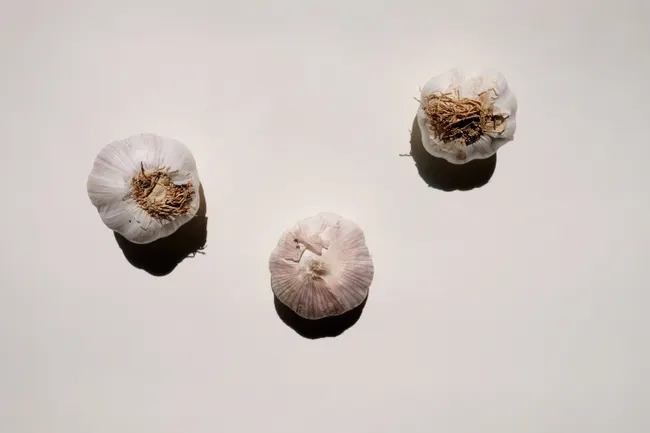
Source: Pexels
The Core Insight
Mastering garlic cultivation requires understanding the distinction between hardneck and softneck varieties and matching them to your specific climate. This guide synthesizes expert insights from Filaree Farm, covering regional variety selection, soil preparation, planting schedules, and the secrets to long-term storage.
Sponsored
E
Master Gardener
Elena Ross
Elena Ross is a certified Master Gardener and botanist. She loves sharing sustainable gardening practices, permaculture tips, and houseplant care guides.
The Kodawire Editorial Team consists of experienced journalists and subject matter experts dedicated to delivering accurate, well-researched, and engaging content.
Choose your type: Hardneck varieties produce edible scapes; softneck varieties do not.
Timing is key: Plant 3–5 weeks before your ground freezes hard.
Soil matters: Prioritize well-drained, nitrogen-rich soil amended with organic matter.
Storage: Keep bulbs between 40–55°F with 60–70% humidity; avoid the refrigerator.
I still remember my first attempt at growing garlic. I treated it like any other vegetable, but quickly learned that garlic is a bit of a diva. It demands specific conditions to thrive, and if you ignore its vernalization requirements, you’ll end up with tiny, disappointing bulbs. Think of garlic varieties like wine grapes; the terroir, your specific soil and climate, fundamentally alters the flavor and storage potential of the bulb. If you enjoy this, you might also want to check out our guide on growing perfect root vegetables for a complete garden harvest.
Garlic cloves planted in well-drained, nutrient-rich soil. (Credit: Jon Tyson via Unsplash)
When to Actually Do This
In most regions, the ideal planting window is 3–5 weeks before the ground freezes. If you live in a southern climate where the soil never truly freezes, aim for late November or December. If you missed the fall window, you can still plant in early spring as soon as the soil is workable, though fall planting generally yields the most robust harvests. For more seasonal advice, see our tips on growing onions from seed.
When selecting your variety, geography is your best guide. For the Northeast, I’ve had great success with ‘German White’ and ‘Romanian Red’ (both Porcelain types). If you are in the Southeast, look toward the Turban or Artichoke groups. The Southwest favors the Creole variety ‘Ajo Rojo,’ while the Midwest and Northwest Central regions benefit from the hardiness of Rocambole and Purple Stripe varieties. If you are on the rainy Pacific Coast, ‘Nootka Rose’ is a reliable performer. For more regional gardening success, explore our guide on mastering your brassica patch.
The Natural Approach
Garlic is a heavy feeder. To keep your patch organic and sustainable, mix generous amounts of composted manure or high-quality organic fertilizer into your beds before planting. Avoid synthetic nitrogen boosters; they can lead to rapid, weak growth that is more susceptible to pests. If your soil is heavy clay, raised beds are your best friend for ensuring the drainage garlic craves.
Amending soil with organic compost is essential for heavy feeders like garlic. (Credit: Jakob Owens via Unsplash)
The Other Side of the Story
Most gardeners are told that garlic must be grown from cloves. While that is the standard, you can actually grow garlic from bulbils, the tiny clones found on the scapes of hardneck varieties. It is a patient person’s game, taking 2–3 years to reach full bulb size, but it is a fascinating way to propagate your own unique stock.
The Decision Matrix
Not sure which variety to pick? Use this simple guide:
Want to roast it? Go for ‘Metechi’ or ‘Khabar’ for a creamy, sweet texture.
Need it to last until next summer? Choose softneck varieties like Artichoke or Silverskin.
Love a sharp, raw bite? Try ‘Thai Fire’ or ‘Creole Red.’
Dealing with wet, heavy soil? Stick to ‘Killarney Red’ or Porcelain types.
The Lazy Gardener's Shortcut
If you are short on space, don't be afraid of containers. Use a deep pot with excellent drainage. In zones 5b and colder, simply insulate the outside of the pot with straw or burlap to prevent the roots from freezing solid. It’s a low-effort way to enjoy fresh garlic right on your patio.
Why You Can Trust This
I have spent years refining my garlic patch, cross-referencing regional performance data with organic soil science. My recommendations are based on long-standing agricultural practices and the specific performance traits of established garlic groups. I don't rely on guesswork; I rely on the biology of the plant. For more science-backed gardening, visit the University of Minnesota Extension.
Broadfork: Essential for aerating soil without destroying the structure.
Organic Compost: The foundation of every successful bulb.
Deep Fabric Pots: My go-to for container-grown garlic to ensure perfect drainage.
What Do You Think?
Are you a fan of the sharp, raw bite of a fresh hardneck, or do you prefer the mellow, creamy sweetness of a roasted bulb? I’ll be in the comments for the next 24 hours to answer your specific planting questions.
The ideal planting window is 3–5 weeks before the ground freezes. In warmer climates where the ground doesn't freeze, aim for late November or December.
Yes, you can grow garlic in deep pots with excellent drainage. In colder zones, insulate the pot with straw or burlap to protect the roots.
Hardneck varieties produce edible scapes and are generally hardier, while softneck varieties do not produce scapes and are often better for long-term storage.
Active Engagement
Was this information helpful?
Join Discussions
0 Thoughts
Editorial Team • Question of the Day
"What is the biggest challenge you face when trying to get your garlic to store through the winter?"