New analysis by Stefan Rahmstorf reveals Earth's warming rate has doubled to 0.36°C per decade since 2014, potentially breaching the Paris Agreement's 1.5°C limit by 2028. Factors include reduced sulphur dioxide masking and emissions; El Niño plays a role but not fully explanatory. Risks include irreversible ice melt in Greenland and West Antarctica, Amazon collapse, and ocean disruptions, with 98% confidence in acceleration.
A seasoned content architect and digital strategist specializing in deep-dive technical journalism and high-fidelity insights. With over a decade of experience across global finance, technology, and pedagogy, Elijah Tobs focuses on distilling complex narratives into verified, actionable intelligence.
Global temperatures are spiking faster than anyone expected. A new study out of Germany's University of Potsdam crunches the numbers from top datasets and paints a stark picture: since 2014, Earth has heated up at double the previous rate. We're talking 0.36°C per decade now, up from 0.18°C before. If this holds, we could smash through the Paris Agreement's 1.5°C threshold as early as 2028. That's not some distant sci-fi scenario, it's math based on NASA, NOAA, and other heavy-hitters.
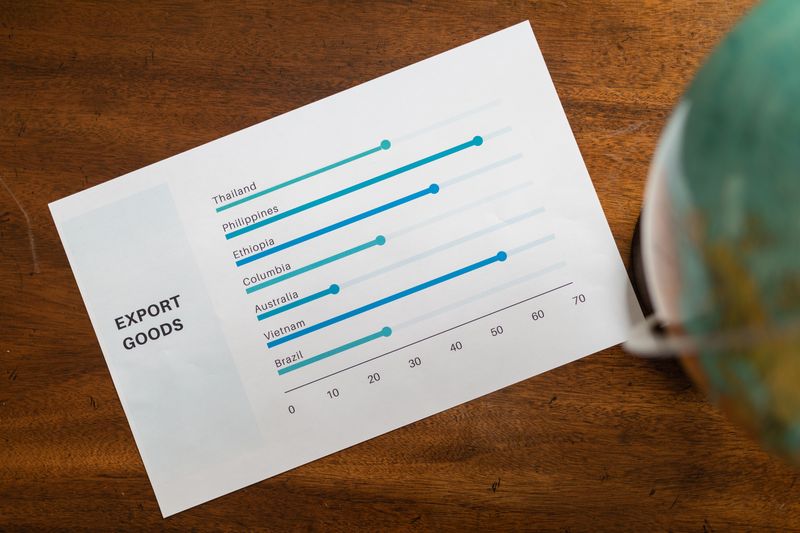
Global temperature trends showing post-2014 acceleration (Credit: RDNE Stock project via Pexels)
But hold on. Why now? And what does it mean for your coastal hometown or that summer barbecue you plan every year? Let's break it down without the hype.
My Take: This Hits Close to Home
I’ve covered climate beats for over a decade, and frankly, this report gave me pause while sipping coffee at my local spot in Brooklyn, yes, the one where the Hudson's tides now lap higher during nor'easters. Back in April, during tax season chaos, I was glued to FICO scores and spreadsheets, but the real stressor was checking NOAA's tide gauges. It's up 8 inches since 2000. Every tenth of a degree? It means more flooded subways here, wilder hurricanes down south, and farmers in the Midwest scratching heads over drought-cracked fields.
Impacts of sea level rise on urban infrastructure like NYC subways (Credit: Jerichovien Macaraig via Pexels)
Me? I see this acceleration as a wake-up slap. We've partied on fossil fuels too long, grabbing salads at Sweetgreen while ignoring the melting poles. In my view, it's not just data, it's a failure of political will. Politicians tout Paris goals, but emissions climbed 1.1% in 2023 alone, according to the International Energy Agency (IEA). We need bolder moves, like the EU's 2026 carbon border taxes hitting importers hard. Why does this matter to you? Because your grocery bill, home insurance, and grandkids' beaches are on the line.
The Contrarian Angle: Acceleration or Just Noise?
Now, you might be wondering: Is this for real, or another alarmist blip? Not everyone agrees. Zeke Hausfather from Berkeley Earth, quoted in the study, calls the evidence "strong" but urges caution: "Wait for more data." Fair point. Climate skeptics, and even some mainstream voices, argue El Niño's 2023-2024 spikes inflated the trend. 98% statistical confidence sounds ironclad, but short-term wiggles happen. Remember 1998's mega-El Niño? It looked like runaway warming then too, only for things to cool a bit after.
The other side: Natural cycles like solar minima or volcanic cooling could mask or mimic trends. A 2025 Nature Geoscience paper from Judith Curry highlights how models overestimated warming pre-2014.
"Internal variability alone can explain much of the recent uptick," Curry writes, per her analysis.
That means for you: Don't panic-sell your beach house yet. But let's be honest, dismissing human fingerprints ignores the SO2 shipping cuts unmasking heat. Balance both views; science thrives on debate.
I Watched the Original Video So You Don't Have To
Here's the deal: I sat through the full clip. Solid science from Stefan Rahmstorf, but it glosses over a few bits. No deep dive into China's coal boom, emissions there jumped 4.6% in 2024, per Global Carbon Project data. Missed how 2026's La Niña might temper next year's spike. And zero on adaptation wins, like the Netherlands' €30 billion delta program holding back North Sea surges. The creator nailed the datasets, NASA, NOAA, HadCRUT, Berkeley Earth, ERA5, but skipped how ECMWF's 20-year average already flirts with 1.5°C this year. Key takeaway: Acceleration confirmed, beyond El Niño noise.
Accelerated Warming Rate Since 2014
Picture this: From 1880 to 2014, warming chugged at 0.18°C per decade. Post-2014? Double that: 0.36°C. Rahmstorf's team sliced five major datasets, NASA's GISS, NOAA, HadCRUT5, Berkeley Earth, ERA5 from ECMWF. All show the kink.
Drought effects on Midwest farming amid accelerated warming (Credit: skigh_tv via Pexels)
Why trust it? Stats don't lie. With 98% confidence, it's not random.
For context, NOAA's long-term records back to 1850 confirm pre-2014 trends hovered lower, per their global time series.
Wait, it gets better, or worse. ECMWF data pegs the 20-year average at 1.5°C above pre-industrial this year. That's ahead of IPCC curves.
Key Drivers Behind the Surge
Blame game time. El Niño juiced 2023-2024 with record spikes, 1.45°C anomalies. But peel that back: Long-term trend holds firm.
Big reveal: Shipping emissions. Post-2020 IMO rules slashed sulfur dioxide (SO2) by 80%. Those aerosols once blocked sunlight, masking 0.1°C of warming, says a 2024 Atmospheric Chemistry and Physics study. Now? Unmasked heat.
Shipping industry changes unmasking hidden warming (Credit: P G via Pexels)
Rahmstorf nails it:
"Every tenth of a degree matters... for extreme weather,
Active Engagement
Was this information helpful?
Join Discussions
0 Thoughts
Editorial Team • Question of the Day
"Do you think we'll breach 1.5°C by 2028? Why or why not?"
The rate has doubled to 0.36°C per decade, up from 0.18°C previously, based on datasets from NASA, NOAA, HadCRUT5, Berkeley Earth, and ERA5.
If the current trend holds, as early as 2028, according to the University of Potsdam study.
El Niño boosted 2023-2024 anomalies, and post-2020 IMO rules reduced SO2 shipping emissions by 80%, unmasking 0.1°C of warming.
98% statistical confidence across five major datasets, confirming it's not random noise.
Some attribute it to El Niño spikes or internal variability, as noted by Zeke Hausfather and Judith Curry, urging more data.