Stop Buying Dry Beans: The Secret to Growing Your Own Pantry Staples
Elijah TobsBy Elijah Tobs
Garden
May 27, 2026 • 6:46 PM
7m7 min read
Source: Unsplash
The Core Insight
Growing your own dry beans is a rewarding way to secure high-quality, diverse pantry staples while avoiding grocery store markups. By selecting the right varieties, focusing on earliness and productivity, home gardeners can easily transition from snap-bean growers to dry-bean producers. This guide covers variety selection, planting timelines, harvesting techniques, and the simple mechanics of threshing.
As the founder and primary investigative voice at Kodawire, Elijah Tobs brings over 15 years of experience in dissecting complex geopolitical and financial systems. His work is centered on the ethical governance of emerging technologies, the shifting architectures of global finance, and the future of pedagogy in a digital-first world. A staunch advocate for high-fidelity journalism, he established Kodawire to be a sanctuary for deep-dive intelligence. Moving away from the ephemeral nature of modern headlines, Kodawire delivers permanent, verified insights that challenge the status quo and empower the global reader.
The Pantry Goldmine: Why You Should Grow Your Own Dry Beans
What You Need to Know
Botanical Reality: Dry beans and snap beans are the same species (Phaseolus vulgaris); the difference is simply when you harvest them.
Timing is Critical: Aim to plant between May 15 and June 1. Avoid planting after June 10 to prevent autumn mold.
Harvesting: Pull the entire plant when pods are brown, leathery, and brittle. Brush off soil immediately to keep your harvest clean.
Storage: Ensure beans are "dry, dry, dry" before sealing them in airtight glass jars or totes.
I’ve spent decades stocking my pantry with dried beans, but the rising cost and limited variety in stores finally pushed me to start growing my own. There is something deeply satisfying about harvesting a bowl of "jewels", beans that are not just nutrient-dense staples, but visually stunning heirlooms that you simply cannot find on a supermarket shelf. If you are looking to expand your garden, you might also want to explore growing root vegetables to complement your bean harvest.
If you’ve ever left a pole bean to dry on the vine, you’ve already been an accidental dry-bean grower. With a bit of strategy, you can turn that accident into a reliable, high-yield harvest. Much like mastering potato growing, the key to success lies in understanding your soil and climate conditions.
Working With the Seasons
In the Pacific Northwest and similar temperate climates, the window for success is narrow. You want to get your seeds in the ground as soon as the soil warms and frost danger has passed, ideally between May 15 and June 1. If you push your luck and plant after June 10, you risk the autumn rains, which can turn your drying pods into a moldy mess before you ever get a chance to harvest them.
The Unpopular Opinion
Most gardeners are told to treat beans as a delicate crop, but I’ve found they are remarkably forgiving. While 4 inches of spacing is ideal, I’ve seen beans thrive even when crowded. Don't let the "perfect" spacing requirements stop you from planting; the real secret isn't the spacing, it's the variety selection and the timing of your harvest.
"The first thing is earliness. We wanted beans that would dry down reliably... We focused on things that would mature in about 90 days."
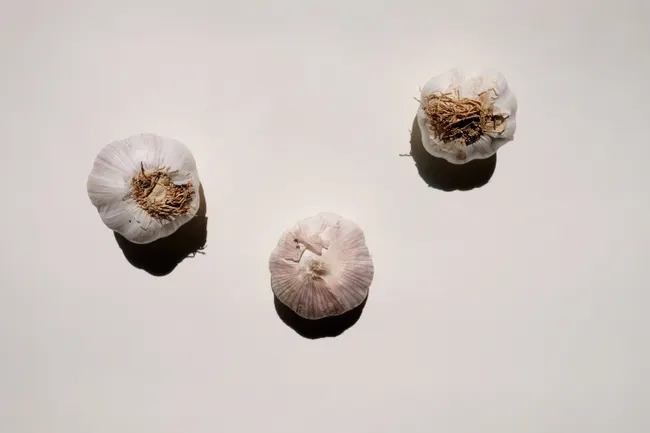
When selecting varieties, prioritize "earliness." My top picks include the 'Titus' cannellini for its reliable yield, the visually striking 'Tiger's Eye', and the blue-marked 'Brighstone'. If you find yourself planting late in the season, 'Early Warwick' is your best insurance policy for a successful harvest. For more tips on selecting the right crops for your climate, check out our guide on growing garlic.
Heirloom dry beans are as beautiful as they are nutritious. (Credit: Steve A Johnson via Unsplash)
The Natural Approach
To keep your bean patch thriving organically, apply about 75 lbs of 4-4-4 organic fertilizer per 200-foot bed. If you are new to growing legumes, use an inoculant to ensure healthy root nodules, though experienced gardeners may find their soil already contains the necessary beneficial bacteria.
The Lazy Gardener's Shortcut
If you want to save your back, grow pole beans. They grow up to 8 feet tall, meaning you can harvest them standing up rather than crawling through the dirt. Plus, they are incredibly productive in small spaces.
Pole beans are a space-saving solution for the home gardener. (Credit: Priscilla Du Preez 🇨🇦 via Unsplash)
The Decision Matrix
Not sure which path to take? Use this simple guide:
If you want dry beans primarily: Start with a dedicated dry variety and eat a few fresh if you must.
If you want snap beans primarily: Start with a snap variety and let a few pods dry down at the end of the season.
For the best of both worlds: Try 'Alice Sunshine', 'Marvel of Piedmont', or 'Scalzo Italian'.
Why You Can Trust This
I have spent years researching the nuances of heirloom bean production, cross-referencing agricultural data with the practical, hands-on experience of organic seed farmers. My advice focuses on the reality of the harvest, from the back-breaking work of pulling plants to the simple joy of threshing them on a tarp, to ensure you get a clean, pantry-ready crop every time. For more evidence-based gardening advice, visit USDA Natural Resources Conservation Service.
Earthway Seeder: For consistent, efficient direct seeding.
Airtight Glass Jars: The gold standard for long-term storage and visual inventory.
Dehydrator: My secret weapon to ensure beans are "dry, dry, dry" before they hit the shelf.
What Do You Think?
Are you a dry-bean eater, a grower, or both? I’d love to hear about your favorite varieties or the unique ways you use them in your kitchen. I’ll be checking the comments over the next 24 hours to reply to your questions and stories.