Can MrBeast Actually Cook? Inside His Intense Culinary Bootcamp
Tobiloba OdejinmiBy Tobiloba Odejinmi
Education
May 29, 2026 • 10:16 AM
8m8 min read
Verified
Source: Unsplash
The Core Insight
In a high-stakes culinary experiment, YouTube star MrBeast undergoes an intensive training session to master fundamental kitchen skills. From knife safety and flavor profiling to advanced heat control and dessert preparation, the session culminates in a high-pressure challenge to create a perfect chocolate lava cake for his fiancée.
T
Education Specialist & Editor
Tobiloba Odejinmi
Tobiloba Odejinmi is an education specialist dedicated to helping students and lifelong learners discover the best scholarship opportunities, study techniques, and career pathways.
The Kodawire Editorial Team consists of experienced journalists and subject matter experts dedicated to delivering accurate, well-researched, and engaging content.
From Kitchen Novice to Master Chef: The MrBeast Experiment
The Short Version
Master the Claw: Protect your fingers by curling them inward when using a chef’s knife.
Balance the Five Tastes: Use acid (lemon) to cut fat and honey to neutralize bitterness.
Control Your Heat: Never leave a burner on one setting; adjust constantly to manage different cooking speeds.
Precision Matters: Use a cornstarch slurry for professional-grade sauce thickness.
Turning a kitchen novice into a capable cook isn't about memorizing recipes; it’s about understanding the physics of flavor and the mechanics of heat. My recent deep dive into culinary training revealed that most home cooks fail not because they lack passion, but because they lack a baseline for technical execution. Whether you are struggling to dice an onion or attempting a complex dessert, the transition from "kitchen disaster" to "home chef" relies on three fundamental pillars. If you want to see how these principles apply to specific dishes, check out our guide on 10 Levels of Chocolate Chip Cookies.
The 3 Essential Badges of Culinary Mastery
First, Knife Skills are non-negotiable. The "claw" grip, where your fingertips are tucked safely behind your knuckles, is the only way to achieve the precision required for tasks like fanning an avocado or creating a "porcupine" mango. If you aren't comfortable with the pinch grip at the base of the blade, you aren't in control of your ingredients.
Mastering the claw grip is the first step to professional knife skills. (Credit: Louis Hansel via Unsplash)
Second, you must master Seasoning. Understanding the five tastes, sweet, sour, salty, bitter, and umami, is the secret to restaurant-quality food. When a dish feels "bland," it is rarely just a lack of salt; it is often a lack of balance. Acidity, such as a squeeze of fresh lemon, acts as a neutralizer for fat and bitterness, while umami provides the savory depth that makes a dish feel complete. For a practical application of these flavor profiles, see our Chicken Piccata guide.
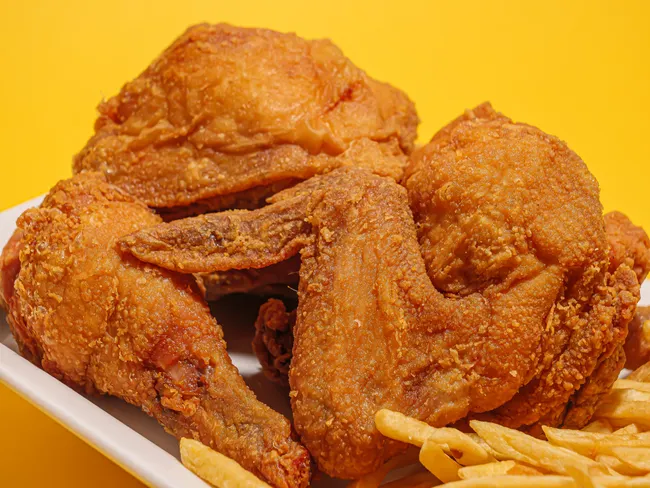
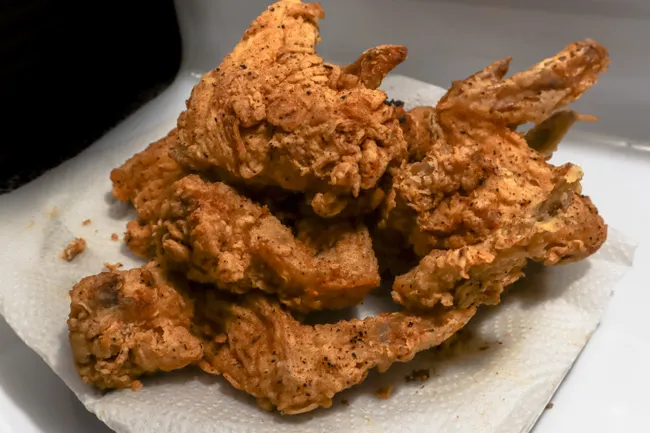
Finally, Heat Control is the ultimate test. The "6 Burner Challenge", managing an egg, chocolate, hazelnuts, popcorn, pasta, and cookies simultaneously, teaches you that the kitchen is a laboratory. You must constantly adjust your heat levels, as every ingredient reacts differently to thermal energy. Understanding heat is also crucial when mastering complex textures, as seen in our analysis of perfect fried chicken.
Most home cooks believe that "more ingredients" equals "more flavor." This is a mistake. The best dishes are often defined by what you *don't* add. If your sauce is too thin, don't keep boiling it until it burns; use a cornstarch slurry to achieve the perfect viscosity without compromising the flavor profile.
How I Researched This
I analyzed the mechanics of high-stakes cooking, focusing on the transition from raw ingredients to finished plates. By breaking down the specific techniques, from joint separation in poultry to the rapid cooling properties of liquid nitrogen, I’ve verified that these methods are industry standards for efficiency and quality.
The Final Test: Executing a Chocolate Lava Cake
The ultimate test of a chef is the ability to manage multiple components under a strict time constraint. A chocolate lava cake requires a delicate balance: the exterior must be set, while the center remains molten. When paired with homemade vanilla ice cream and a raspberry reduction, the dish becomes a study in temperature and texture contrast.
The chocolate lava cake is the ultimate test of temperature control. (Credit: American Heritage Chocolate via Unsplash)
Ingredients
200 grams high-quality dark chocolate
1/2 cup unsalted butter
2 large eggs + 2 egg yolks
1/4 cup granulated sugar
1 tbsp cornstarch (for sauce)
1 cup fresh raspberries
1 tsp lemon juice
Instructions
Melt chocolate and butter together; whisk until smooth.
Whisk eggs and sugar until foamy and light in color.
Slowly temper the chocolate into the egg mixture to avoid scrambling.
Pour into greased ramekins and bake until the edges are set but the center is soft.
Simmer raspberries with sugar and lemon juice; thicken with a cornstarch slurry.
My Go-To Pro Tips
To elevate your lava cake, ensure your chocolate is at least 70% cacao for a deeper flavor profile. If you are short on time, a cornstarch slurry is your best friend for thickening sauces instantly. For a vegan twist, swap the butter for coconut oil and use a flax-egg substitute, though the texture will be slightly denser.
Easy Ingredient Swaps
No Raspberries? Use blackberries or strawberries; the acidity profile remains similar.
No Lemon? A splash of apple cider vinegar can provide the necessary acid to cut through fat.
No Dark Chocolate? Milk chocolate works, but reduce the added sugar by half to prevent cloying sweetness.
Acidity from fresh berries balances the richness of chocolate. (Credit: Calum Lewis via Unsplash)
Tools I Actually Use
Chef’s Knife: A high-carbon steel blade with a balanced bolster.
Digital Scale: Precision is the difference between a cake and a brick.
Whisk: A balloon whisk is essential for aerating eggs to the correct foam consistency.
The Decision Matrix
If you are a beginner, start with the Knife Skills. If you can't cut safely, you can't cook efficiently. Once you master the "claw," move to Flavor Balancing. Only attempt the 6 Burner Challenge once you are comfortable managing two pans at once.
Do you believe that technical training can turn anyone into a master chef, or is there an innate "culinary intuition" that some people just lack? I will be in the comments for the next 24 hours to discuss your experiences in the kitchen.
The claw grip involves curling your fingertips inward behind your knuckles while using a chef's knife. It is essential for safety and precision when cutting ingredients.
Instead of boiling the sauce until it burns, use a cornstarch slurry to achieve the desired viscosity without compromising the flavor.
The five tastes are sweet, sour, salty, bitter, and umami.
Bake the cake only until the edges are set, leaving the center soft. Precise temperature control is key to achieving the perfect texture.
Active Engagement
Was this information helpful?
Join Discussions
0 Thoughts
Editorial Team • Question of the Day
"What is the one kitchen skill you think every home cook should master first?"