Stop Wasting Spices: The Science of Toasting and Blooming
Elijah TobsBy Elijah Tobs
Food
May 26, 2026 • 2:32 PM
7m7 min read
Verified
Source: Unsplash
The Core Insight
This guide demystifies the science of spice application, focusing on how heat alters aroma molecules to create more cohesive, professional-level dishes. By comparing toasted vs. untoasted spices and bloomed vs. unbloomed additions, we reveal why these simple techniques transform a disjointed meal into a balanced, flavorful experience.
Sponsored
Original insights inspired by Ethan Chlebowski — watch the full breakdown below.
As the founder and primary investigative voice at Kodawire, Elijah Tobs brings over 15 years of experience in dissecting complex geopolitical and financial systems. His work is centered on the ethical governance of emerging technologies, the shifting architectures of global finance, and the future of pedagogy in a digital-first world. A staunch advocate for high-fidelity journalism, he established Kodawire to be a sanctuary for deep-dive intelligence. Moving away from the ephemeral nature of modern headlines, Kodawire delivers permanent, verified insights that challenge the status quo and empower the global reader.
Aroma is 90% of flavor: Your tongue only detects five basic tastes; your nose identifies the complexity.
Toast to mellow: Applying heat to whole spices drives off volatile top notes, creating a smoother, earthier profile.
Bloom to integrate: Cooking spices in oil uses fat as a carrier, ensuring flavors are distributed evenly rather than tasting "raw."
Test your palate: Conduct your own A/B tests to build culinary confidence and understand how timing changes your final dish.
When we cook, we often follow instructions without questioning the "why." We toast spices or bloom them in oil because a recipe says so, but understanding the mechanics of flavor is what separates a home cook from a chef. Flavor is not just what hits your tongue; it is a combination of taste and aroma. If you plug your nose while eating, you lose the ability to distinguish complex flavors, leaving you with only the basic sensations of sweet, sour, salty, bitter, and umami. Mastering these fundamentals is key to the 3-Stage Flavor Framework used by professionals.
Aroma is the primary driver of complex flavor perception. (Credit: Maëva Catteau via Unsplash)
Our sense of smell is remarkably sophisticated, relying on over 400 odor receptors capable of perceiving more than one trillion distinct aromas. These aromas are categorized into top, middle, and base notes. Top notes are the first to hit your senses but fade quickly, while base notes provide the lingering foundation of a dish. Because these aroma molecules are volatile, light, and heat-sensitive, how and when you introduce them to your cooking changes everything. For those looking to elevate their home cooking, understanding these nuances is as important as choosing the right Michelin-level kitchen essentials.
Why You Can Trust This
I have spent years in the kitchen deconstructing the "rules" of cooking through rigorous side-by-side testing. By isolating variables, such as comparing toasted versus untoasted spices in identical chicken marinades, I have verified that these techniques are not just culinary myths. My approach relies on the chemistry of volatile compounds and fat solubility, ensuring that every recommendation is grounded in how our sensory systems actually process food.
Toasting Spices: Mellowing the Intensity
Toasting whole spices is a transformative process. When you apply dry heat, you drive off the sharp, volatile top notes that can make raw spices taste harsh or "bright." Simultaneously, the browning process creates entirely new aromatic compounds. The result is a spice profile that is earthier, nuttier, and significantly smoother on the palate. Think of it like the difference between a harsh, young spirit and a well-aged, smooth whiskey.
Dry heat transforms sharp top notes into deep, earthy base notes. (Credit: Eranjan via Unsplash)
Blooming Spices: The Power of Fat Solubility
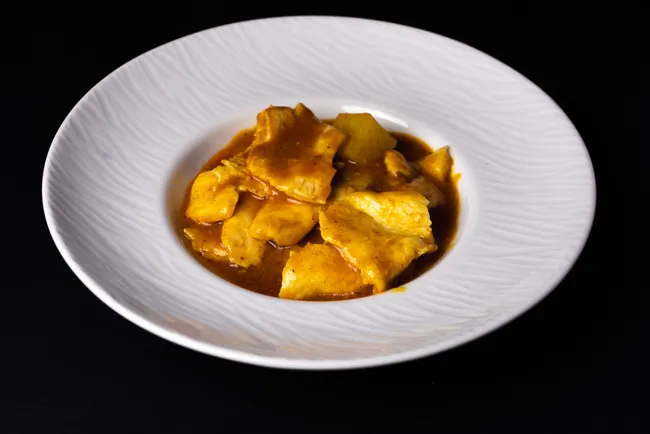
Blooming, the act of cooking spices in oil, is the secret to a cohesive sauce. Many aroma molecules are fat-soluble, meaning they bind to the oil rather than evaporating into the air or remaining trapped in a raw, disjointed state. When you bloom spices at the start of your cooking process, you create a foundation where the flavors are integrated into the dish. Adding spices at the end often results in a "raw" taste where the individual components feel disconnected from the sauce. This technique is essential when preparing complex dishes like a Cantonese-style chicken curry.
The Other Side of the Story
Many home cooks believe that "more is better" when it comes to spice intensity. However, the goal of professional cooking is often balance, not just raw power. While untoasted, unbloomed spices offer a sharp, floral brightness that can be useful in specific applications, they often lack the depth required for complex curries or stews. Don't assume that "punchy" always equals "better."
The Decision Matrix
Not sure which technique to use? Follow this simple guide:
Want a bright, fresh finish? Add high-quality, untoasted spices at the very end of cooking.
Building a deep, complex base? Toast your whole spices first, then bloom them in oil.
Cooking a quick stir-fry? Bloom your spices in oil for 30 seconds to ensure even distribution.
My Go-To Pro Tips
If you are working with pre-ground spices, you cannot toast them the same way as whole seeds, they will burn in seconds. Instead, bloom them in oil over low heat for just 15–20 seconds to "wake them up" without scorching the delicate particles. For a vegan or keto-friendly approach, use high-quality avocado or coconut oil to carry those fat-soluble aromas effectively.
The Panic Substitution Guide
If you find yourself without whole spices to toast, don't panic. You can achieve a similar depth by lightly dry-roasting nuts or seeds (like sesame or mustard seeds) to add that missing earthy, toasted element to your dish. If you lack oil for blooming, a small amount of butter or ghee can act as an excellent fat carrier, provided you watch the heat to prevent burning the milk solids.
Have you ever noticed a "raw" or disjointed taste in your sauces, and did you realize it might be down to the timing of your spices? I will be replying to every comment in the next 24 hours, let’s discuss your kitchen experiments.
While the tongue only detects five basic tastes (sweet, sour, salty, bitter, and umami), the nose identifies the vast complexity of food through over 400 odor receptors, which is why aroma is the primary driver of flavor.
Toasting uses dry heat to mellow sharp top notes and create earthier, nuttier flavors. Blooming involves cooking spices in fat (oil, butter, or ghee) to help fat-soluble aroma molecules integrate into the dish, preventing a 'raw' taste.
No, pre-ground spices will burn almost instantly if toasted dry. Instead, bloom them in oil over low heat for 15–20 seconds to release their aromatics without scorching them.
Active Engagement
Was this information helpful?
Join Discussions
0 Thoughts
Editorial Team • Question of the Day
"What is the one spice you find most difficult to balance in your own cooking?"