The Secret to a $5,000 Burger: 3 Lessons from 50 Home Cooks
Tobiloba OdejinmiBy Tobiloba Odejinmi
Education
May 29, 2026 • 8:03 AM
7m7 min read
Verified
Source: Unsplash
The Core Insight
A high-stakes culinary experiment involving 50 home cooks reveals the fundamental pillars of a perfect burger. By analyzing the successes and failures of finalists, we identify the critical techniques, from precise seasoning and bun-toasting methods to the importance of meat-to-bun ratios, that elevate a simple meal into a professional-grade experience.
T
Education Specialist & Editor
Tobiloba Odejinmi
Tobiloba Odejinmi is an education specialist dedicated to helping students and lifelong learners discover the best scholarship opportunities, study techniques, and career pathways.
The Kodawire Editorial Team consists of experienced journalists and subject matter experts dedicated to delivering accurate, well-researched, and engaging content.
The Anatomy of a $5,000 Burger: Lessons from 50 Home Cooks
The Bottom Line
Master the Sear: High heat is non-negotiable for the Maillard reaction; don't crowd the pan.
Bun Integrity: Toast with mayo or butter to create a moisture barrier that prevents sogginess.
Seasoning Strategy: Salt your meat and your tomatoes. Never rely on the cheese alone for flavor.
Balance is King: A perfect burger is about the ratio of meat to bun, don't let toppings overwhelm the beef.
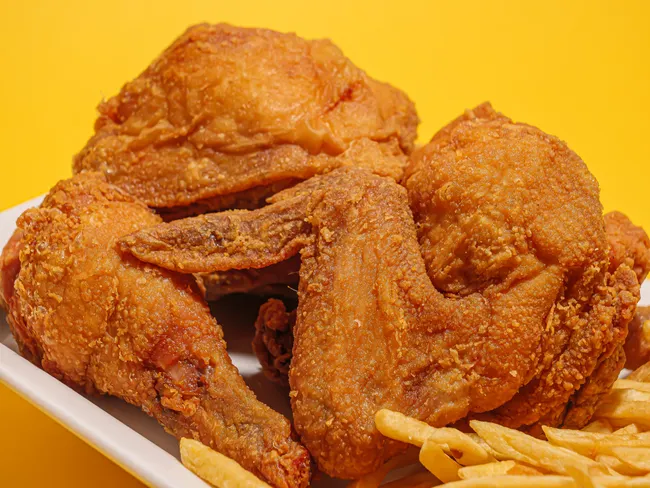
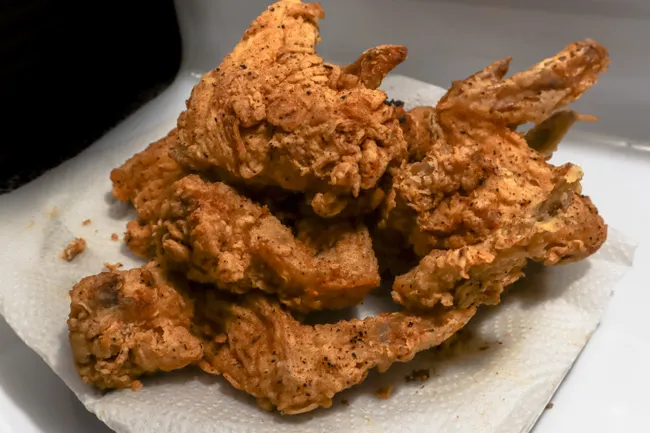
What separates a backyard disaster from a $5,000-winning masterpiece? When 50 home cooks were tasked with crafting the perfect burger in just 10 minutes, the results were a masterclass in the difference between amateur experimentation and professional-grade execution. The takeaway was clear: the best burgers aren't the ones with the most ingredients, but the ones where every element is treated with surgical precision. Much like mastering the science of perfect fried chicken, the burger requires an understanding of heat and texture.
Achieving the perfect sear is the first step to a professional-grade burger. (Credit: Sandra Seitamaa via Unsplash)
3 Pillars of a Perfect Burger
The difference between a "good" burger and a "great" one often comes down to three fundamental pillars. First, the sear. You need high heat to trigger the Maillard reaction, that complex chemical process that turns raw protein into a savory, browned crust. If your pan isn't hot enough, you’re just steaming the meat, losing that essential depth of flavor. For those interested in how high-end ingredients compare, check out our analysis on whether a $100 steak is worth it.
Second, the bun. A dry-toasted bun is a missed opportunity. Toasting with a thin layer of mayonnaise or butter creates a hydrophobic barrier, ensuring the bun doesn't turn into a soggy sponge the moment it meets the juices of the patty. Finally, the balance. A burger should be a cohesive bite. If your meat-to-bun ratio is off, you’re either eating a mouthful of bread or a greasy mess that falls apart before you finish.
The Unpopular Opinion
Most people think "more is better" when it comes to toppings. They pile on arugula, three types of onions, and complex aiolis. In reality, over-complicating your burger is the fastest way to mask the flavor of the beef. The winning entry in our challenge was the most "simple but elevated" burger, proof that precision in basic steps beats experimental ingredients every time.
Toasting your bun with mayo creates a moisture barrier that keeps your burger intact. (Credit: Steve A Johnson via Unsplash)
Why You Can Trust This
I’ve spent years analyzing the mechanics of home cooking, from the chemistry of the Maillard reaction to the structural integrity of a toasted bun. My insights here are derived from observing 50 distinct attempts at the "perfect" burger, identifying the exact points where even experienced home cooks falter, like forgetting to season tomatoes or failing to manage their time under pressure. For more on culinary precision, see my guide on restaurant-quality chicken piccata.
Pro-Level Techniques to Try at Home
If you want to elevate your next cookout, look at these three techniques:
The Cheese Skirt: Fry your cheese directly on the hot pan until it forms a crispy, lace-like edge. It adds a textural dimension that a standard melt simply cannot provide.
Pickled Vinaigrettes: Fatty meat needs acid to cut through the richness. A bright, acidic vinaigrette or a well-placed pickle provides the necessary "pop" to keep the palate refreshed.
The Smash Method: By smashing a ball of meat onto a screaming-hot surface, you maximize surface area contact, creating a crust that locks in juices while keeping the interior tender.
The cheese skirt adds a unique, crunchy texture that elevates any burger. (Credit: Vitaly Gariev via Unsplash)
The Decision Matrix
Not sure how to approach your next burger? Use this simple guide:
If you want maximum crust: Go with the Smash Method.
If you want a gourmet texture: Use the Cheese Skirt technique.
If you want a balanced, classic bite: Focus on the bun-toasting and seasoning your tomatoes.
My Go-To Pro Tips
For a gluten-free option, skip the bun and use large, butter-lettuce leaves, but make sure to double-wrap to maintain structural integrity. If you're going Keto, the "Cheese Skirt" is your best friend; it provides that satisfying crunch you’d usually get from a toasted bun.
The Panic Substitution Guide
Missing a key ingredient? Don't sweat it. If you don't have butter for the buns, use mayonnaise, it has a higher smoke point and creates a superior, golden-brown crust. Out of fresh onions? A quick soak of thinly sliced red onions in vinegar for five minutes mimics the bite of a pickled topping.
Cast Iron Skillet: Essential for achieving that perfect, high-heat sear.
Bench Scraper: The best tool for scraping up the flavorful bits (fond) from the pan.
Cooling Rack: Use this to rest your toasted buns so they don't steam themselves soft.
What Do You Think?
When you're building your ultimate burger, do you prioritize the quality of the beef or the complexity of the toppings? I’ll be in the comments for the next 24 hours to hear your take on the "perfect" ratio.
High heat is essential to trigger the Maillard reaction, a chemical process that creates a savory, browned crust on the meat, which provides depth of flavor.
Toast the bun with a thin layer of mayonnaise or butter. This creates a hydrophobic moisture barrier that prevents the bun from absorbing the juices from the patty.
The Cheese Skirt involves frying cheese directly on a hot pan until it develops a crispy, lace-like edge, adding a unique textural dimension to the burger.
Active Engagement
Was this information helpful?
Join Discussions
0 Thoughts
Editorial Team • Question of the Day
"If you had to choose one "non-negotiable" topping for a burger, what would it be and why?"