Overlooked Therapy Revolutionizing Sickle Cell Care in Africa

The Core Insight
Red Blood Cell Exchange: The Overlooked Lifeline for Sickle Cell Disease in Africa

(Credit: Leo Freire via Pexels)
For people living with sickle cell disease, hope is often measured in small victories: a month without a pain crisis, fewer nights in emergency rooms, and the freedom to plan life without constant fear of the next episode. For parents and loved ones, hope means watching loved ones suffer less and live more fully.
Sickle cell disease is one of the most common inherited blood disorders worldwide, yet profoundly undertreated, especially in Africa, where the burden is highest. The World Health Organization estimates 7.7 million people worldwide live with sickle cell disease, with the vast majority in sub-Saharan Africa,a 40% increase since 2000. The condition causes over 300,000 deaths yearly.
Data indicate more than 75% of babies born with sickle cell disease worldwide are born on the African continent. Approximately 400,000 babies are born with sickle cell disease globally each year, with more than 300,000 in sub-Saharan Africa. Nigeria accounts for around 150,000 of these newborns annually, with prevalence projected to rise by 2050. Millions more in the African diaspora,including the United States, United Kingdom, Caribbean, and Europe,manage the lifelong impact.
Access to advanced treatments remains limited. Patients are often told meaningful care is only available abroad or that bone marrow transplant is the only solution, bringing frustration rather than relief.
Red Blood Cell Exchange: A Proven, Underutilized Therapy

(Credit: Roger Brown via Pexels)
Red blood cell exchange is one of the most effective yet underutilized therapies for sickle cell disease. Clinical guidance from the American Society of Haematology recognizes it for stroke prevention, management of severe pain crises, and life-threatening complications like acute chest syndrome.
At the African Medical Centre of Excellence (AMCE), teams are delivering advanced therapies, including red blood cell exchange. The centre recently completed its first procedure using the Terumo Optia machine on a patient with sickle cell anaemia and chronic pain. It involved removing the patient’s sickled red cells and replacing them with haemoglobin AA red cells. The patient has remained pain-free since, illustrating the therapy's transformative potential.
Red blood cell exchange rapidly lowers sickle haemoglobin proportion, improves blood flow, and reduces progressive organ damage risk. It is used for refractory bone pain, preparation for stem cell transplantation, severe malaria parasitaemia, and carbon monoxide poisoning. By replacing unhealthy red cells with healthy ones, it directly addresses the disease's pathophysiology.
A More Accessible Alternative to Bone Marrow Transplant
(Credit: Marta Branco via Pexels)
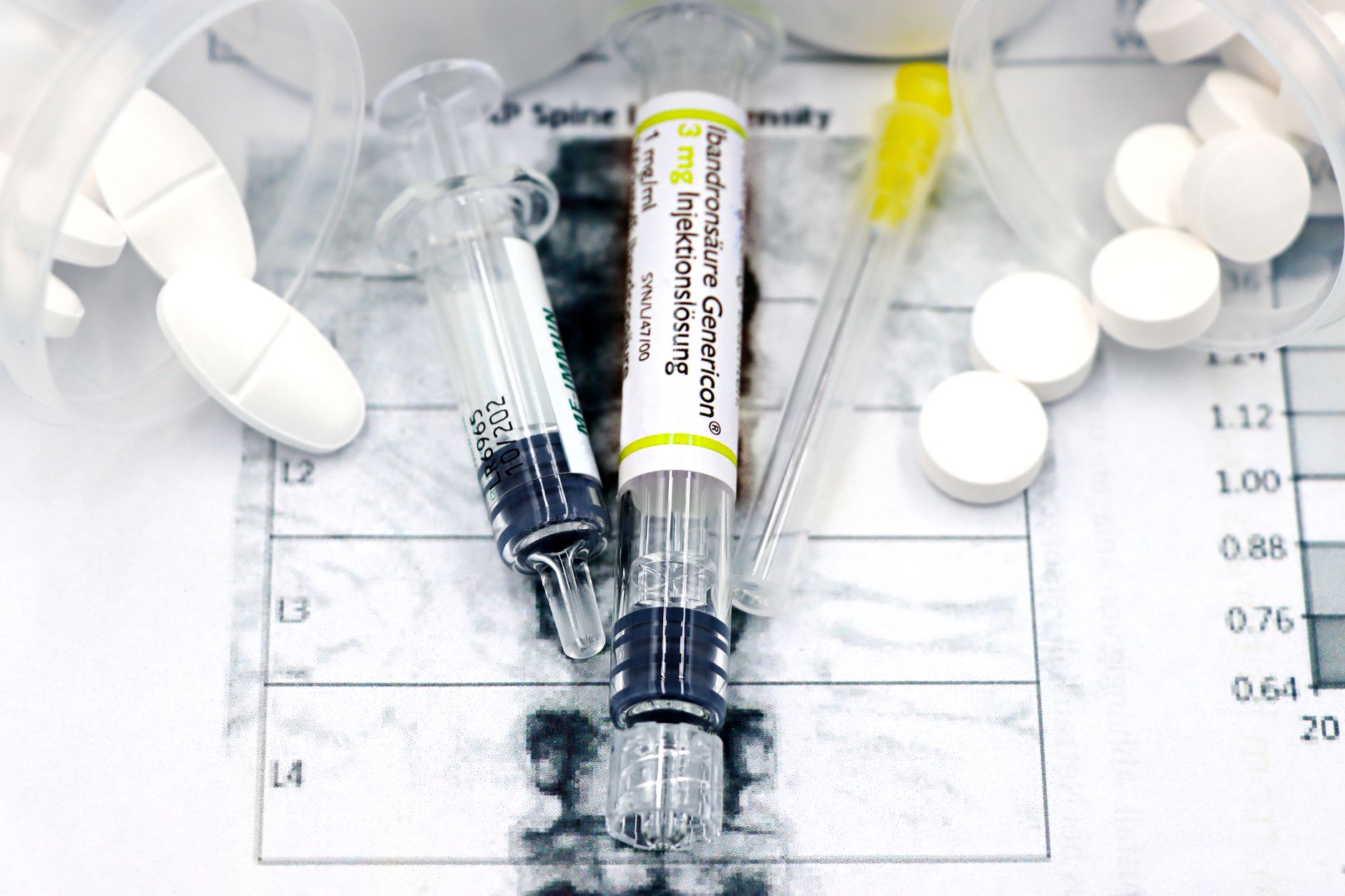
Bone marrow transplantation is the only established curative treatment but is limited by suitable donor availability and is costly and resource-intensive, beyond reach for many. Effective long-term management is essential for improving quality of life and reducing complications.
Unlike bone marrow transplantation, red blood cell exchange is repeatable, requires no matched donor, and is increasingly accessible at AMCE for patients in Nigeria and across Africa. When performed regularly, it significantly reduces stroke risk in children and frequency of severe pain crises in adults.
For patients not eligible for transplant or seeking fewer hospitalizations and less pain, red blood cell exchange offers stability and dignity.
A Call to Patients, Families, and the Health Community

(Credit: Tima Miroshnichenko via Pexels)
Patients needing red blood cell exchange have an option at AMCE, not only for sickle cell disease but also for severe malaria parasitaemia or carbon monoxide poisoning. Families can access specialist care close to home with personalized plans.
Sickle cell disease inflicts a heavy toll across Africa and its diaspora, contributing to preventable suffering, hospitalizations, and early mortality. By introducing red blood cell exchange, AMCE is changing this reality, showing advanced interventions are achievable within Africa. This expands access, restores hope, improves quality of life, and empowers patients and families to manage blood disorders with dignity and confidence.
Hand picked for you by Author

Abuja's 2026 Plan for Healthier, Greener Capital
Abuja's Health Services and Environment Secretariat, led by Dr. Adedolapo Fasawe, advances the Renewed Hope Agenda with 2026 strategies for emergency ...

Senate Slams Hospitals Over Snakebite Deaths
Following singer Ifunanya Nwangene's death from snakebite complications at FMC Jabi, Abuja, the Senate urged mandatory anti-venom stocking for hospita...
Dean’s Alarm: 0.5% Oral Health Budget Too Low
Prof. Linda Okoye, Dean of Dentistry at University of Nigeria Enugu, delivers inaugural lecture urging federal government to elevate oral health in na...

Nigeria's TB Deaths Plunge 63% in Decade: Key Wins
Nigeria achieved a 63% drop in TB mortality from 2015-2024 and 94% treatment success, per FCTA's Dr. Dan Gadzama at World TB Day 2026 outreach. Highli...

Nigeria's GIFSHIP: Affordable Health Insurance Game-Changer?
Ultimate Health HMO launches GIFSHIP, a NHIA-regulated health insurance package at ₦38,718 per person annually, covering primary, secondary, and terti...

Elijah Tobs
A seasoned content architect and digital strategist specializing in deep-dive technical journalism and high-fidelity insights. With over a decade of experience across global finance, technology, and pedagogy, Elijah Tobs focuses on distilling complex narratives into verified, actionable intelligence.
Learn More About Elijah Tobs