12 Subtle Breast Cancer Signs You Can't Ignore
The Core Insight
Breast Cancer Symptoms: What to Look For

(Credit: cottonbro studio via Pexels)
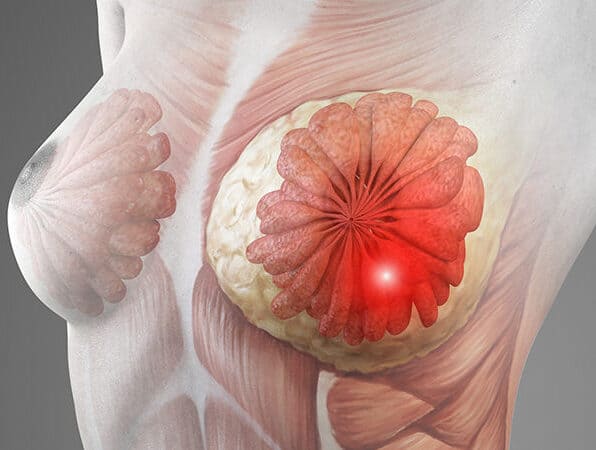
Breast cancer can have different symptoms for different people. Many don't notice any signs at all. The most common symptom is a new lump in your breast or armpit that doesn't go away.
Others include:
- Texture changes to the skin on your breast, such as a rash, redness, or dimpling. The skin could resemble the peel of an orange.
- Swelling in your armpit or near your collarbone. This could mean breast cancer has spread to lymph nodes in that area.
- Pain and tenderness, although lumps don't usually hurt. Some may cause a prickly feeling.
- A flat or indented area on your breast. This could happen because of a tumor you can't see or feel.
- Breast changes such as a difference in the size, shape, texture, or temperature of your breast.
- Changes in your nipple, like one that pulls inward, is dimpled, burns, itches, or develops sores.
- Unusual nipple discharge. It could be clear, bloody, or another color.
- A marble-like area under your skin that feels different from any other part of either breast.
Common Early Signs

(Credit: Anna Tarazevich via Pexels)
Many people don't have any symptoms at first. And different types of breast cancer may cause different symptoms. But some common early signs of breast cancer include:
Breast lumps
A lump is often the first symptom of breast cancer. A hard lump with irregular edges is more likely to be cancer. But some cancers are soft and have rounded edges. Often, a lump is too small for you or your doctor to feel. That's why it's important to get regular mammograms if you're over 40 or have a family history of breast cancer. For related women's health insights, see Turner Syndrome's Hidden Fertility Risks.
Keep in mind that most breast lumps aren't cancerous. More commonly, lumps are caused by:
- Cysts, which are collections of fluid that are usually harmless
- Fibroadenomas, which usually happen before menopause and may be caused by hormones that regulate your period. They don't require treatment and could shrink over time.
- Fibrocystic breasts, which is when your breasts are naturally lumpy. They may be lumpier and more painful right before your period.
- Breast infections. Small sacs of pus (abscesses) often happen after childbirth.
- Clogged milk glands
- Injuries that form scar tissue
Always see your doctor if you notice a new lump on your breast. Consult resources like the Mayo Clinic for guidance.
Swelling
Sometimes, people notice swelling before they feel or see a lump. So it's also important to see your doctor if it happens to you. You might have a thickening in part of your breast or swollen lymph nodes under your arm or near your collarbone.
Pain
Most breast pain isn't caused by cancer. But pain, tenderness, or burning in the breast or nipple could be the first sign of inflammatory breast cancer or Paget's disease, which are among the rarer types of breast cancer. See your doctor if your breast pain is serious or lasts a long time. Refer to the American Cancer Society for more.
Symptoms by Type of Breast Cancer

(Credit: cottonbro studio via Pexels)
Ductal carcinoma is the most common type of breast cancer. It begins in your milk ducts. About 1 in 5 new breast cancers are ductal carcinoma in situ (DCIS). This means you have cancer in the cells that line your ducts, but it hasn't spread into nearby tissue.
Most of the time, DCIS doesn't cause any symptoms. More than 90% of cases are found by an imaging test. But you could have a lump, discharge from your nipple, or itching in the breast area.
But ductal carcinoma can also be invasive, which means it spreads beyond the ducts. Any type of breast cancer that's spread from where it began into the tissues around it is called invasive or infiltrating. You may notice:
- A lump in your breast or armpit. You might not be able to move it separately from your skin or move it at all.
- One breast that looks different from the other
- A rash or skin that's thick, red, or dimpled like an orange
- Skin sores
- Swelling in your breast
- Small, hard lymph nodes that may be stuck together or stuck to your skin
- Pain in one spot
Lobular carcinoma begins in the glands that make milk, called lobules. It's the second most common type of breast cancer. Symptoms include fullness, thickening, or swelling in one area and nipples that are flat or point inward (inverted).
Triple-negative breast cancer is called triple-negative if it doesn't have receptors for the hormones estrogen and progesterone and doesn't make a lot of a protein called HER2. This kind tends to grow and spread faster than other types, and doctors treat it differently. Triple-negative tumors make up 10% to 15% of breast cancers. They cause the same symptoms as other common types, such as a lump or swelling, pain in your breast or nipple, skin that's dimpled, dry, red, or thickened, discharge, and nipples that turn inward.
Breast cancer in men happens in about 1% of cases. Some of the symptoms are similar to the signs of breast cancer in women. Watch for a lump or thick spot in your breast or armpit and changes in the skin of your breast or nipple, such as redness, puckering, scales, or discharge.
Paget's disease often happens along with ductal carcinoma. It affects the skin of your nipple and areola. Symptoms may look like eczema and include nipple skin that's crusted, scaly, and red; bloody or yellow discharge from your nipple; a flat or inverted nipple; and burning or itching.
Inflammatory breast cancer (IBC) is a rare type that causes symptoms similar to an infection. They include a breast that's warm, swollen, and red; skin that's dimpled, leathery, or ridged; a nipple that turns inward; and unusual nipple discharge.
Papillary carcinoma is a very rare type of ductal cancer. Common symptoms include a small, hard cyst and bloody discharge from the nipple.
Fewer than 2% of breast cancers are angiosarcomas. These start in the cells that line your blood vessels or lymph nodes. Angiosarcoma may cause a lump in your breast, a purple area of skin that looks like a bruise, skin that bleeds easily when scratched or bumped, and pain in one area.
Metastatic Breast Cancer
(Credit: Anna Tarazevich via Pexels)
Without treatment, breast cancer can spread to other parts of your body, including other organs. This is called metastatic, advanced, or secondary breast cancer. Depending on where it is, you may have bone pain, headache, changes in brain function, trouble breathing, belly swelling, yellow skin or eyes (jaundice), double vision, nausea, loss of appetite and weight loss, or muscle weakness. Learn more from Memorial Sloan Kettering.
Breast Cancer Recurrence
Breast cancer can come back, or recur, long after treatment. It may be in the same breast (local), in the lymph nodes near the original cancer (regional), or in a part of your body that's farther away (metastatic or distant). Cancer is most likely to come back in the first 2 years after treatment. After that period, the risk goes down over time.
Your doctor will talk with you about what to watch for. Local symptoms include a new lump in your breast, changes in your breast, nipple, or skin, lumps on the skin of your chest, and thickening on or near the scar from surgery to remove a breast (mastectomy).
Mastectomy and surgery to replace a breast (reconstruction) may lead to a buildup of scar tissue or fat cells. These lumps aren't cancer. But it's important to let your doctor know about them and watch for changes.
Symptoms of regional recurrence include a lump or swelling under your arm, above your collarbone, or on your chest; swelling in your arm; pain or numbness in your arm or shoulder; constant pain in your chest; and trouble swallowing.
Symptoms of metastatic recurrence depend on what body part is affected. The most common places are your bones, lungs, brain, and liver. You may have bone pain, dry cough, loss of appetite and weight loss, severe headaches, trouble seeing, seizures, balance problems, or confusion.
Silent Signs and Other Facts
Breast cancer symptoms vary from person to person, and many people don't have any symptoms in the early stages.
It's possible to have breast cancer for years before symptoms begin. And many common breast cancer symptoms, like lumps and pain, can also be caused by other things. It's a good idea to be familiar with how your breasts look and feel so you'll notice any changes.
Most people are aware that a lump on the breast can be a sign of breast cancer. But research has shown that many don't realize these are also breast cancer symptoms: discharge from the nipples, puckering, dimpling, or thickening of the skin on the breast, nipples that lie flat or point inward or downward, and loss of feeling in areas of the breast.
American Cancer Society: "Breast Cancer Stages."
Mayo Clinic: "Breast cancer staging."
Memorial Sloan Kettering Cancer Center: "Stages of Breast Cancer."
The first step after diagnosis is to determine the stage of your breast cancer. What’s the difference between stages 0 through III?

Elijah Tobs
A seasoned content architect and digital strategist specializing in deep-dive technical journalism and high-fidelity insights. With over a decade of experience across global finance, technology, and pedagogy, Elijah Tobs focuses on distilling complex narratives into verified, actionable intelligence.
Learn More About Elijah Tobs