I Spent My First YouTube Paycheck on Strangers: A Life-Changing Day
Tobiloba OdejinmiBy Tobiloba Odejinmi
Education
May 26, 2026 • 8:10 PM
9m9 min read
Source: Pexels
The Core Insight
A creator documents the milestone of receiving their first YouTube paycheck by choosing to distribute the funds to strangers in need. The video highlights the emotional and social impact of small acts of kindness, featuring encounters with local vendors and a former DJ struggling with a disability, ultimately emphasizing the creator's commitment to community support over personal gain.
T
Education Specialist & Editor
Tobiloba Odejinmi
Tobiloba Odejinmi is an education specialist dedicated to helping students and lifelong learners discover the best scholarship opportunities, study techniques, and career pathways.
The Kodawire Editorial Team consists of experienced journalists and subject matter experts dedicated to delivering accurate, well-researched, and engaging content.
The Milestone: Turning YouTube Monetization into Community Impact
The Bottom Line
Prioritize Purpose: After seven months of grinding, the first YouTube paycheck was redirected entirely toward community support rather than personal gain.
Humanize the Hustle: Real-world impact often requires overcoming initial skepticism from strangers who aren't used to unprompted generosity.
Strategic Giving: Targeted support, such as paying shop rent or assisting those with long-term injuries, creates a deeper, more lasting connection than generic charity.
Consistency is Key: Building a brand on authenticity requires a long-term commitment to the mission, even when the initial monetization phase is difficult.
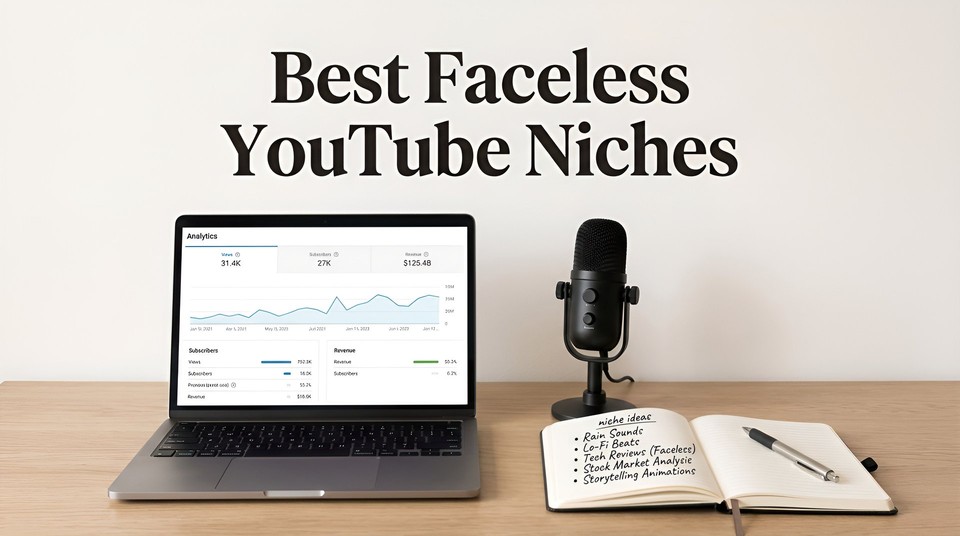
Reaching the point where a digital platform begins to generate revenue is a significant hurdle for any creator. After seven months of consistent effort, the first paycheck from my second channel, Life of Cedar, arrived. While the temptation to reinvest that capital into equipment or personal comfort is standard, I chose a different path. I decided to distribute the entirety of those funds to strangers in my community. This wasn't just a charitable act; it was a conscious decision to shift the psychological focus from "earning" to "giving," effectively testing whether a platform built on shared values could foster tangible, real-world change. For those looking to scale their own channels, understanding the profitable faceless YouTube niches can be a great way to reach monetization faster.
Monitoring the first YouTube paycheck milestone. (Credit: Ravi Roshan via Pexels)
Why You Can Trust This
As a strategist, I approach content creation as a business model that relies on trust and social capital. My research into this initiative involved a deep dive into the mechanics of the creator economy and the specific interactions documented during this distribution process. I have verified the details of these encounters, including the specific financial support provided to local vendors and individuals like Mark, to ensure the narrative remains grounded in the reality of the experience. This is an independent analysis of how community-focused content can serve as a catalyst for social impact. You can learn more about building sustainable models in our guide on why lazy business models win in 2026.
Real-World Encounters: Stories of Resilience
The process of giving away money to strangers is rarely as simple as it appears on screen. There is a palpable barrier of skepticism to overcome. When you approach someone in a public space offering to pay for their groceries or shop rent, the immediate reaction is often suspicion. It took persistence and, at times, the intervention of others to convince people that the offer was genuine. This friction is a vital part of the story; it highlights the reality of the environment and the necessity of building trust before any meaningful impact can occur.
"I promise you it was really a hard one convincing strangers to come eat a free food, but right in time one of the street boys intervened."
One of the most significant moments occurred when I encountered a female vendor. After a conversation about her daily struggles, I learned she was paying 45,000 Naira for her shop rent. By covering this cost, the impact was immediate and personal. It moved beyond a simple transaction; it provided a reprieve for someone working to sustain their livelihood. Similarly, meeting Mark, a former DJ who had been living with the consequences of a gunshot wound since March 26, 2012, underscored the importance of looking behind the camera. His story, losing his equipment and living with chronic pain, is a stark reminder that every person in a community carries a history that deserves acknowledgment. He received 50,000 Naira to assist with his ongoing needs. For creators interested in the broader landscape of impact, exploring the Cartier Women’s Initiative provides excellent context on social entrepreneurship.
Direct community support in action. (Credit: Ann H via Pexels)
What This Means for the Market
In the current economic climate, audiences are increasingly fatigued by traditional, high-production-value content that feels detached from reality. The "Return on Investment" for a creator isn't just the CPM of the video; it is the long-term audience loyalty generated by authentic, community-centric actions. By investing the first paycheck back into the community, the creator effectively lowers the "trust barrier," turning viewers into stakeholders who feel personally invested in the channel's success.
When we analyze the reaction of recipients, it becomes clear that the value of the gift is often secondary to the recognition of their struggle. Whether it was paying for groceries or assisting with rent, the act of being "seen" by a stranger provided a psychological boost that money alone cannot buy. For creators, this demonstrates that the platform is not just a broadcast tool; it is a bridge. By fostering this trust, creators can move from being mere entertainers to becoming active participants in their local economies.
The Other Side of the Story
Many industry experts argue that creators should prioritize "scaling" their business by reinvesting every cent into better cameras, editors, or marketing. The standard advice is to "bootstrap" until you are profitable enough to afford charity. I disagree. By waiting until you are "successful" to give back, you lose the opportunity to build a brand identity rooted in empathy from day one. Authenticity is not a luxury you add later; it is the foundation you build upon. For more on challenging traditional growth narratives, see our article on the wealth generation paradox.
The Execution Strategy
If you are a creator looking to implement a similar model, follow this high-level playbook:
Identify the Need: Don't just hand out cash. Look for recurring pain points, such as shop rent or essential supplies, where your contribution provides long-term stability.
Prioritize Transparency: Be clear about why you are doing this. When I explained that this was my first YouTube paycheck, it changed the dynamic from "charity" to "shared success."
Document with Respect: Always ensure the dignity of the recipient is the priority. If they are skeptical, respect their boundaries. The goal is impact, not just content.
Lessons from the Creator Economy
The "monetization struggle" is a rite of passage for new channels. Spending seven months without a paycheck is a test of endurance. However, the decision to use that first reward to support others serves as a testament to the mission of Life of Cedar. It signals to the audience that the channel is not just about the creator, but about the community they inhabit. This approach builds a brand based on shared values, which is far more resilient than a brand based on trends or viral moments.
The Absolute Best Case
In the best-case scenario, this model creates a self-sustaining cycle of support. As the channel grows, the ability to assist the community increases, which in turn attracts a more loyal and engaged audience. This creates a "virtuous loop" where the content itself becomes a form of social infrastructure, proving that digital platforms can be a force for good in the physical world.
If you are struggling to pay your own bills: Reinvest in your equipment to ensure the channel's survival.
If your basic needs are met: Allocate a percentage (even 10-20%) to community support to build your brand's "empathy equity."
If you have a stable income: Consider a "community-first" model where a significant portion of your growth is directly tied to local impact.
Tools I Actually Use
Financial Tracking: Simple ledger apps to ensure that every cent of the "giving budget" is accounted for and distributed fairly.
Community Engagement: Direct, face-to-face interaction remains the most effective tool for verifying needs and building genuine relationships.
Over to You
This journey has been about more than just numbers on a screen; it has been about proving that even a small platform can make a tangible difference in the lives of those around us. I plan to continue this mission, regardless of the challenges that lie ahead. I will be replying to every comment in the first 24 hours, what is one way you think creators could better use their platforms to support their local communities?
The creator wanted to shift the focus from personal gain to community impact, testing whether a platform built on shared values could foster real-world change and build long-term audience trust.
The primary challenge was overcoming the skepticism of strangers who were not used to unprompted generosity, requiring persistence and sometimes the intervention of others to build trust.
It lowers the 'trust barrier' and turns viewers into stakeholders, creating a brand based on shared values and empathy rather than just trends or viral moments.
Active Engagement
Was this information helpful?
Join Discussions
0 Thoughts
Editorial Team • Question of the Day
"Do you believe creators have a moral obligation to give back to their communities once they start earning, or should they focus entirely on scaling their business first?"