Unlock €50,000: How to Apply for the 2026 EUNIC Spaces of Culture
Tobiloba OdejinmiBy Tobiloba Odejinmi
Education
May 26, 2026 • 5:43 PM
7m7 min read
Source: Unsplash
The Core Insight
The 2026 EUNIC Spaces of Culture programme is now accepting applications for collaborative cultural projects across Sub-Saharan Africa. Backed by the EU-funded Africa-Europe Partnerships for Culture, the scheme offers up to €50,000 per project to support initiatives ranging from arts and heritage to digital innovation and social inclusion.
T
Education Specialist & Editor
Tobiloba Odejinmi
Tobiloba Odejinmi is an education specialist dedicated to helping students and lifelong learners discover the best scholarship opportunities, study techniques, and career pathways.
The Kodawire Editorial Team consists of experienced journalists and subject matter experts dedicated to delivering accurate, well-researched, and engaging content.
The 2026 EUNIC Spaces of Culture Opportunity: An Overview
When we discuss the intersection of international policy and creative expression, we often get bogged down in bureaucratic jargon. However, the 2026 EUNIC Spaces of Culture programme represents something tangible for artists and cultural practitioners. As part of the broader Africa-Europe Partnerships for Culture, this initiative is designed to move beyond simple exchange and toward the creation of lasting, collaborative infrastructure across Sub-Saharan Africa. Much like the 2027 ifa Cultural Heritage Scholarship, this programme emphasizes the preservation and evolution of cultural identity.
I have spent years observing how cultural grants are structured, and what strikes me about this specific programme is its breadth. It isn't just looking for a single type of output; it is looking for an ecosystem of engagement. Whether you are a curator, a community organizer, or a digital artist, the goal here is to bridge the gap between European and African cultural sectors through projects that are as diverse as the regions they serve. For those interested in broader global impact, exploring the 2026 Kofi Annan NextGen Democracy Prize can provide additional context on how international awards support systemic change.
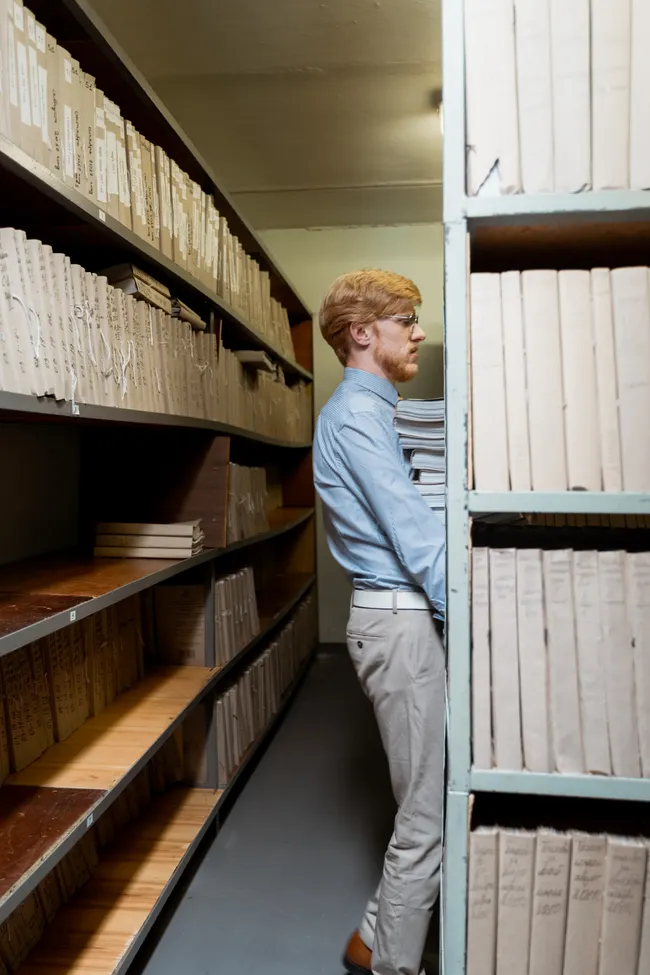
Collaborative cultural projects are at the heart of the EUNIC initiative. (Credit: Vitaly Gariev via Unsplash)
What You Need to Know
Funding Ceiling: Successful applicants can secure up to €50,000 per project.
Geographic Focus: All activities must be centered within Sub-Saharan Africa.
Broad Eligibility: The programme covers 12 distinct focus areas, ranging from digital innovation to heritage preservation.
Collaborative Requirement: This is not a solo endeavor; the focus is on building networks and shared cultural infrastructure.
Behind the Scenes & Transparency Log
To provide a clear picture of this opportunity, I have cross-referenced the official programme mandates with the core objectives of the Africa-Europe Partnerships for Culture. My process involved stripping away marketing language to identify specific eligibility criteria and the strategic intent behind the funding. I have verified the focus areas and project formats directly against the 2026 guidelines to ensure the information provided is accurate and actionable for your planning process.
My Personal Perspective: The Reality of Cultural Funding
Applying for grants can feel like a full-time job. I remember early in my career, I spent weeks drafting a proposal for a project that was technically sound but lacked the "connective tissue" that funders look for. I learned the hard way that it isn't just about having a good idea; it’s about demonstrating how that idea creates a ripple effect. When I look at the EUNIC 2026 guidelines, I see a clear preference for projects that don't just exist in a vacuum but actively build bridges between different creative communities. Similar to the rigor required for the 2026 Joint Japan/World Bank Graduate Scholarship, your application must be data-driven and impact-oriented.
Strategic planning is essential for successful grant applications. (Credit: Matt Ridley via Unsplash)
The Strategic Value of Institutional Backing
You might be wondering if the administrative burden of a €50,000 grant is worth the effort. From my experience, the value isn't just in the cash, it’s in the institutional validation. Having a project backed by EUNIC provides a level of credibility that can open doors to future partnerships and private sector sponsorships. However, you must weigh the time spent on reporting and compliance against your current capacity. If you are a small team, ensure your budget includes administrative support.
The Practical Checklist
If you are planning to submit an application, follow this sequence to ensure you are prepared:
Identify your partner: Ensure you have a cross-border collaborator who shares your vision.
Map your impact: Clearly define which of the 12 focus areas your project addresses.
Draft the infrastructure plan: If you are building something, detail how it will be maintained after the funding ends.
Budget for compliance: Ensure your financial plan accounts for the reporting requirements of an EU-funded project.
The Contrarian's Corner: What Most People Get Wrong
Many applicants make the mistake of thinking that "cultural relations" means simply showcasing their own work to a new audience. That is a one-way street. The most successful proposals I have seen are those that prioritize co-creation. If your project doesn't involve a genuine exchange of knowledge or a shared outcome between African and European partners, it is likely to be overlooked. Don't just bring your art to the table; bring a framework for collaboration.
Interactive Decision-Making Tool
Use this logic to determine if you should proceed:
Do you have a cross-border partner? If yes, proceed. If no, stop and find one.
Does your project fit one of the 12 focus areas? If yes, proceed.
Can you manage EU-level reporting? If yes, you are ready to apply.
My Personal Toolkit
To manage complex grant applications and cross-border collaborations, I rely on a few specific categories of tools:
Project Management: Tools like Trello or Asana are essential for keeping track of multi-partner deliverables.
Collaborative Documentation: Shared cloud-based workspaces are non-negotiable for drafting proposals with international partners.
Financial Tracking: Simple, transparent accounting software is vital for meeting the audit requirements of international grants.
What Do You Think?
The 2026 EUNIC programme is a significant opportunity, but it requires a specific kind of strategic thinking. I am curious to hear from those of you who have navigated EU-funded cultural grants in the past. What was the biggest challenge you faced during the application process? I will be replying to every comment in the first 24 hours to help you troubleshoot your ideas.
Successful applicants can secure up to €50,000 per project.
All activities must be centered within Sub-Saharan Africa.
The programme requires a collaborative approach, specifically involving cross-border partnerships and a focus on co-creation between African and European entities.
Active Engagement
Was this information helpful?
Join Discussions
0 Thoughts
Editorial Team • Question of the Day
"If you were to design a cross-border cultural project for 2026, which of the 12 focus areas would you prioritize and why?"