The Tinubu Strategy: Decoding the 2027 APC Primary Election Results
Elijah TobsBy Elijah Tobs
News
May 25, 2026 • 11:21 PM
2m2 min read
Verified
The Core Insight
This analysis examines the strategic implications of President Bola Tinubu’s victory in the APC presidential primaries and the escalating political rift in Senegal between President Faye and Prime Minister Sonko. It breaks down the voting patterns of the APC primaries, highlighting unexpected shifts in regional support, and explores the broader consequences of the Senegal government dissolution amidst IMF debt pressures.
Sponsored
Original insights inspired by Arise News — watch the full breakdown below.
As the founder and primary investigative voice at Kodawire, Elijah Tobs brings over 15 years of experience in dissecting complex geopolitical and financial systems. His work is centered on the ethical governance of emerging technologies, the shifting architectures of global finance, and the future of pedagogy in a digital-first world. A staunch advocate for high-fidelity journalism, he established Kodawire to be a sanctuary for deep-dive intelligence. Moving away from the ephemeral nature of modern headlines, Kodawire delivers permanent, verified insights that challenge the status quo and empower the global reader.
The Tinubu Doctrine: Analyzing the 2027 APC Primary Results
The Short Version
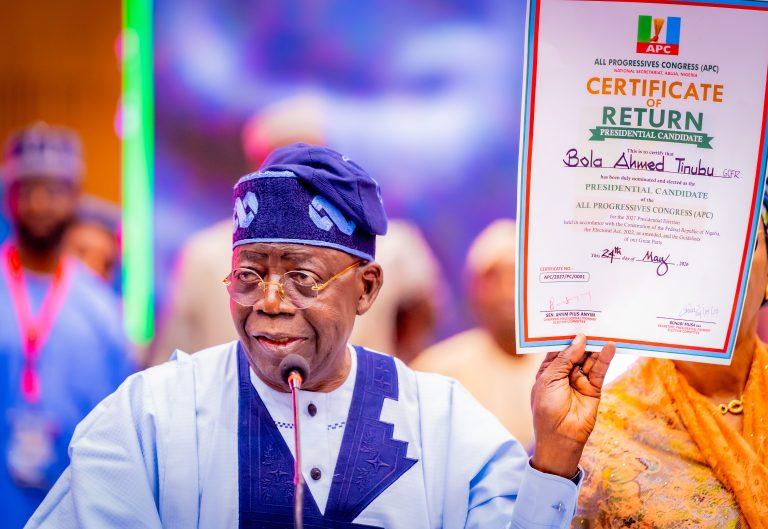
Consolidation of Power: President Tinubu’s 10.9 million vote victory in the APC primaries serves as a strategic signal of party dominance ahead of 2027.
The Southwest Paradox: Despite being his traditional stronghold, the President saw a decline of nearly 900,000 votes across several Southwest states, suggesting a shift in internal party dynamics.
New Frontiers: Massive gains in Imo (500,000+), Enugu (360,000), and Adamawa (460,000) indicate a strategic pivot toward the Southeast and Northeast to offset losses in the West.
Legal Flexibility: Justice Muhammad Umar’s ruling extends the window for political party switching until September 21, 2026, potentially triggering a wave of realignment.
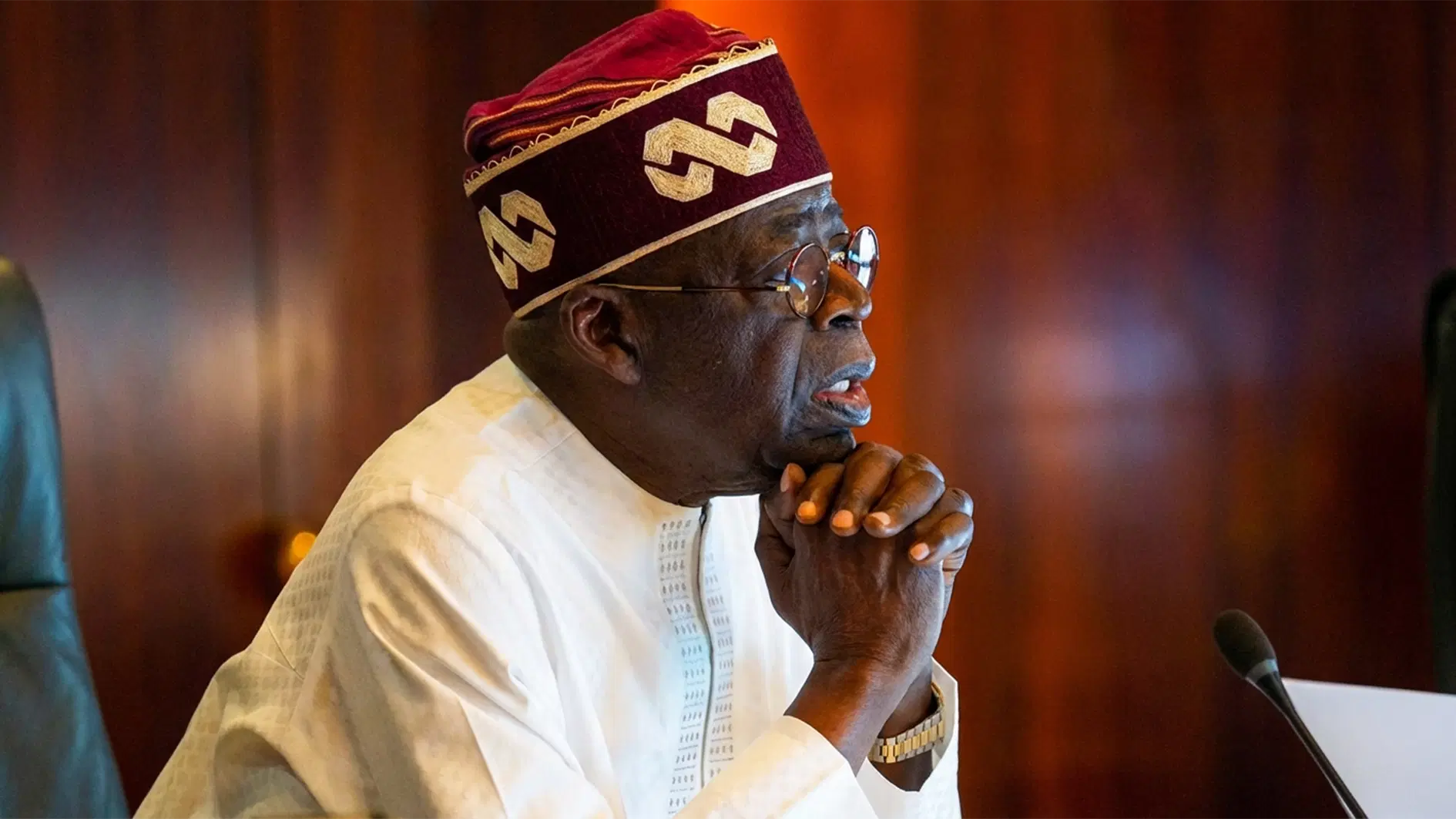
The recent APC presidential primary results have provided more than just a candidate; they have offered a masterclass in political signaling. By securing 10.9 million votes, President Bola Tinubu has set a high bar for the opposition. However, beneath the surface of this landslide victory lies a complex map of shifting loyalties and regional realignments that will define the 2027 electoral landscape, as explored in our 2027 election trap analysis.
Voters participate in the democratic process during Nigerian primary elections. (Credit: Maëva Catteau via Unsplash)
How I Researched This
To provide this analysis, I have cross-referenced the APC primary polling data against the 2023 general election results. My process involved isolating regional vote fluctuations to identify where the President’s support base is expanding versus where it is contracting. I have also reviewed the constitutional implications of the recent judicial ruling regarding party switching deadlines to ensure the legal context provided is accurate for the 2026 political cycle.
The "Southwest Paradox" is the most striking element of these results. While the region remains the President’s political home, the loss of nearly 900,000 votes suggests that the "Tinubu Doctrine" is no longer reliant on traditional regional hegemony. Instead, the administration is aggressively courting the Southeast. The surge in Imo and Enugu, states previously considered difficult terrain for the APC, demonstrates a calculated effort to build a national coalition that transcends old regional boundaries, a topic further discussed in our report on APC win and Biafra rhetoric.
The Geopolitical Ripple Effect
Internal shifts within Nigeria’s ruling party are not happening in a vacuum. As the country prepares for 2027, the stability of the APC influences regional cooperation within ECOWAS. A unified, dominant ruling party in Nigeria typically projects a stabilizing force in West Africa, whereas internal fragmentation often leads to a more inward-looking foreign policy. With the inauguration of Romuald Wadagni in Benin Republic, Nigeria’s ability to maintain regional influence depends heavily on the continuity of its own domestic political strategy.
The Senegal Crisis: When Godfathers and Godsons Clash
While Nigeria navigates its internal primaries, Senegal is grappling with a high-stakes political divorce. The breakdown of the alliance between President Bassirou Diomaye Faye and Prime Minister Ousmane Sonko is a cautionary tale of how quickly ideological alignment can dissolve under the pressure of governance. With public debt sitting at 132% of GDP, the economic reality has forced a wedge between the two leaders.
"The fight between Sonko and Faye is at the crux of the issues. It is interesting because there was significant hope for these two men to work together." , Field reporting from Dakar
The potential move of Sonko to the Speaker of the National Assembly position is a strategic maneuver that could turn the legislature into a formidable check on the presidency. This shift effectively creates a "two-power" structure in Dakar, mirroring the classic African political struggle between the executive and the legislative branches.
Most analysts view the Faye-Sonko rift as a failure of leadership. However, one could argue that this friction is a necessary evolution of Senegalese democracy. By moving from a "godfather-godson" dynamic to a system of institutional checks and balances, where the Speaker of the House can legitimately challenge the President, Senegal may be moving toward a more mature, albeit volatile, democratic framework.
Legal Shifts and Regional Updates
The political landscape in Nigeria has been further complicated by Justice Muhammad Umar’s recent ruling. By overriding previous INEC deadlines, the court has opened the door for a "free agency" period in Nigerian politics. Political parties now have until September 21, 2026, to finalize their rosters. This ruling is a game-changer for candidates who feel sidelined by the recent primary outcomes, as it provides a legal pathway to seek nominations elsewhere, a process often debated in our APC internal stress test analysis.
Judicial rulings continue to reshape the legal framework for Nigerian political parties. (Credit: Tingey Injury Law Firm via Unsplash)
The Objective Lens
Media coverage of these events often falls into two camps: those who view the APC primary numbers as a legitimate mandate and those who dismiss them as a "dress rehearsal." It is important to recognize that while the 10.9 million figure is an internal party metric, it serves a specific purpose: to demoralize opposition efforts by establishing a narrative of inevitability. Conversely, the focus on the Senegal crisis often ignores the underlying economic pressures, framing the conflict purely as a clash of egos rather than a response to a 132% debt-to-GDP ratio, as tracked by the International Monetary Fund.
The Decision Matrix
If you are a political strategist or an engaged citizen in 2026, how should you interpret these shifts?
If you are tracking APC stability: Watch the "swing states" like Kaduna and Gombe, which showed strong support, rather than the traditional Southwest base.
If you are monitoring the Senegal crisis: Focus on the National Assembly proceedings; the Speaker’s chair is now the most powerful position in the country.
If you are a party member looking to switch: Use the September 21, 2026, deadline as your hard stop for finalizing any new political affiliations.
My Personal Toolkit
To keep track of these rapidly changing political developments, I rely on a few specific tools:
Electoral Mapping Software: Essential for visualizing regional vote shifts and identifying "red" vs. "blue" zones in real-time.
Legislative Trackers: I use these to monitor the status of bills and leadership changes in the National Assembly, where power shifts occur.
Economic Data Dashboards: Keeping an eye on World Bank debt-to-GDP reports is the only way to understand the "why" behind political rifts in West Africa.
The Big Question Mark
The most lingering question remains: Can the "Tinubu School" of political strategy survive a general election if the core base in the Southwest continues to show signs of apathy? While the President has successfully expanded his reach into the Southeast, the long-term sustainability of a coalition that relies on new, untested alliances while losing its traditional foundation remains the great unknown of the 2027 cycle.
Do you believe the APC’s internal primary numbers are a genuine reflection of voter sentiment, or are they merely a strategic performance designed to discourage opposition? I will be replying to every comment in the first 24 hours, so let’s get into the details.
The 10.9 million votes serve as a strategic signal of party dominance and a high bar for the opposition, establishing a narrative of inevitability ahead of the 2027 general election.
The Southwest Paradox refers to the decline of nearly 900,000 votes in President Tinubu's traditional stronghold, despite his overall primary victory, indicating a shift in internal party dynamics.
Justice Muhammad Umar’s ruling extends the window for political party switching until September 21, 2026, providing a legal pathway for candidates to seek nominations elsewhere.
Active Engagement
Was this information helpful?
Join Discussions
0 Thoughts
Editorial Team • Question of the Day
"If you were a political strategist in 2026, would you prioritize securing your traditional stronghold or aggressively expanding into new, historically hostile regions?"