CBN Reforms: Shielding Nigeria from Global Shocks?

核心洞察
CBN Reforms: Buffering Nigeria Against Global Economic Shocks
(Credit: Christian NZAYISENGA via Pexels)
The reforms introduced by the Central Bank of Nigeria (CBN), led by Governor Olayemi Cardoso, are serving as buffers against global economic shocks, sustaining investor confidence and raising growth prospects. These reforms have prepared Nigeria’s economy to withstand global headwinds by creating buffers that safeguard its resilience. Global and domestic business leaders recognize that Nigeria is well positioned to withstand external shocks.
The stability of the exchange rate and continued inflows into external reserves present opportunities for economic resilience and sustained growth. The Nigerian economy has undergone major transformation following reforms including exchange rate unification, increased regulatory guidance, improved transparency in forex market operations, and enhanced surveillance of financial flows, all contributing to sustained growth.
CBN Reforms and Key Milestones

(Credit: Stephanie Douglas via Pexels)
Over two years ago, the administration and CBN liberalized the foreign exchange market, stopped central bank financing of the fiscal deficit, and reformed fuel subsidies. The government strengthened revenue collection and took steps to reduce surging inflation. Since implementation, international reserves have increased, and foreign exchange is now accessible in the official market. For context on fiscal pressures, see Nigeria's Debt Trap.
Nigeria returned to international capital markets in December and was recently upgraded by rating agencies. A new domestic private refinery is positioning Nigeria up the value chain in a deregulated market. CBN policies, including currency reforms, have led to investment inflows and reduced interventions in the domestic forex market.
The unification of exchange rates and clearing of over $7 billion FX backlog have raised Nigeria’s investment outlook. The World Bank described it as a bold intervention to improve the economy’s long-term sustainability. Nigeria’s sovereign risk spread has fallen to the lowest level since January 2020.
“Managing disinflation amidst persistent shocks requires not only robust policies but also coordination between fiscal and monetary authorities to anchor expectations and maintain investor confidence. Our focus must remain on price stability, the planned transition to an inflation-targeting framework, and strategies to restore purchasing power and ease economic hardship,” Cardoso said.
ThisDay Live, January 2026
The CBN has strengthened the banking sector with new minimum capital requirements for banks, effective March 2026, to ensure resilience and position Nigeria’s banking industry for a $1 trillion economy. Learn more on paths to $1T in Nigeria's $500M Research Fund.
“As we shift from unorthodox to orthodox monetary policy, the CBN remains committed to restoring confidence, strengthening policy credibility, and staying focused on its core mandate of price stability,” Cardoso stated.
The Monetary Policy Committee (MPC) eased the policy stance following a review of macroeconomic developments and sustained disinflation over the past five months.
“The committee’s decision to lower the monetary policy rate was predicated on the sustained disinflation recorded in the past five months, projections of declining inflation for the rest of 2025 and the need to support economic recovery efforts,” Cardoso said.
CBN MPC Communique, January 2026
Rising Foreign Capital Inflows and Remittances

(Credit: Renan Braz via Pexels)
Nigeria receives roughly $600 million monthly from diaspora remittances. Spillover effects have been contained, reflecting exchange rate stability, stronger reserves, and an enhanced monetary policy framework. Recent gains, including lower inflation, FX market stability, and stronger reserves, have boosted investor confidence and capital flows.
The banking sector remains robust. Banks have raised required capital through rights issues and public offerings within the two-year implementation window announced in 2023, positioning the sector to support economic recovery by enabling credit access for MSMEs and investments in critical sectors. Related finance enforcement: Court Warns FCCPC Boss.
Upgraded Growth Forecasts
The World Bank’s Global Economic Prospects report upgraded Nigeria’s growth forecast for 2026 to 4.4 percent from 3.7 percent in June 2025.
“Growth in Nigeria is forecast to strengthen to 4.4 per cent in both 2026 and 2027,the fastest pace in over a decade. This further firming of growth is anticipated to be underpinned by a continued expansion in services and a rebound in agricultural output, with a modest acceleration in non-oil industry. Economic reforms, including in the tax system, along with continued prudent monetary policy, are expected to continue supporting activity. They are also expected to improve investor sentiment and reduce inflation further. Higher oil output is expected to offset lower international oil prices this year, helping to boost fiscal revenues and strengthen the external balance.”
World Bank Global Economic Prospects, January 2026
The CBN’s macroeconomic outlook for 2026 projects growth at 4.49 percent, hinged on continued structural reforms and a gradually easing monetary policy stance.
Sub-Saharan Africa Growth Prospects and Risks

(Credit: Abduljalil Attahir via Pexels)
The World Bank forecasts Sub-Saharan Africa growth at 4.1 percent this year and for 2026. Risks include geopolitical tensions like the Middle East conflict, high debt service burdens, and structural constraints. Rising fuel, food, and fertilizer prices, alongside tighter financial conditions, could push inflation higher and disrupt activity, disproportionately affecting vulnerable households.
“In the short term, governments should target scarce resources to protect the most vulnerable households. At the same time, maintaining macroeconomic stability,by controlling inflation and exercising prudent fiscal management,will be essential to navigate the current shock and position African countries for a faster recovery once the crisis subsides,” said Andrew Dabalen, World Bank Group Chief Economist for the Africa Region.
Nigeria Faces Lower Risks from Middle East Crisis
IMF Managing Director Kristalina Georgieva stated that countries like Nigeria, able to export oil and gas without hitches despite the Middle East crisis, face the smallest headwinds. Countries directly hit by the conflict, major Middle East oil and gas exporters, bear the brunt. Oil-importing nations with large import shares of GDP also face burdens depending on policy space.
“Countries face vastly different exposure to higher oil prices and supply uncertainty, shaped by whether they import or export, and how much policy space they have to respond.”
IMF Report: “How the Middle East War Has Affected Oil Exporters and Importers”, January 2026
作者为你精选
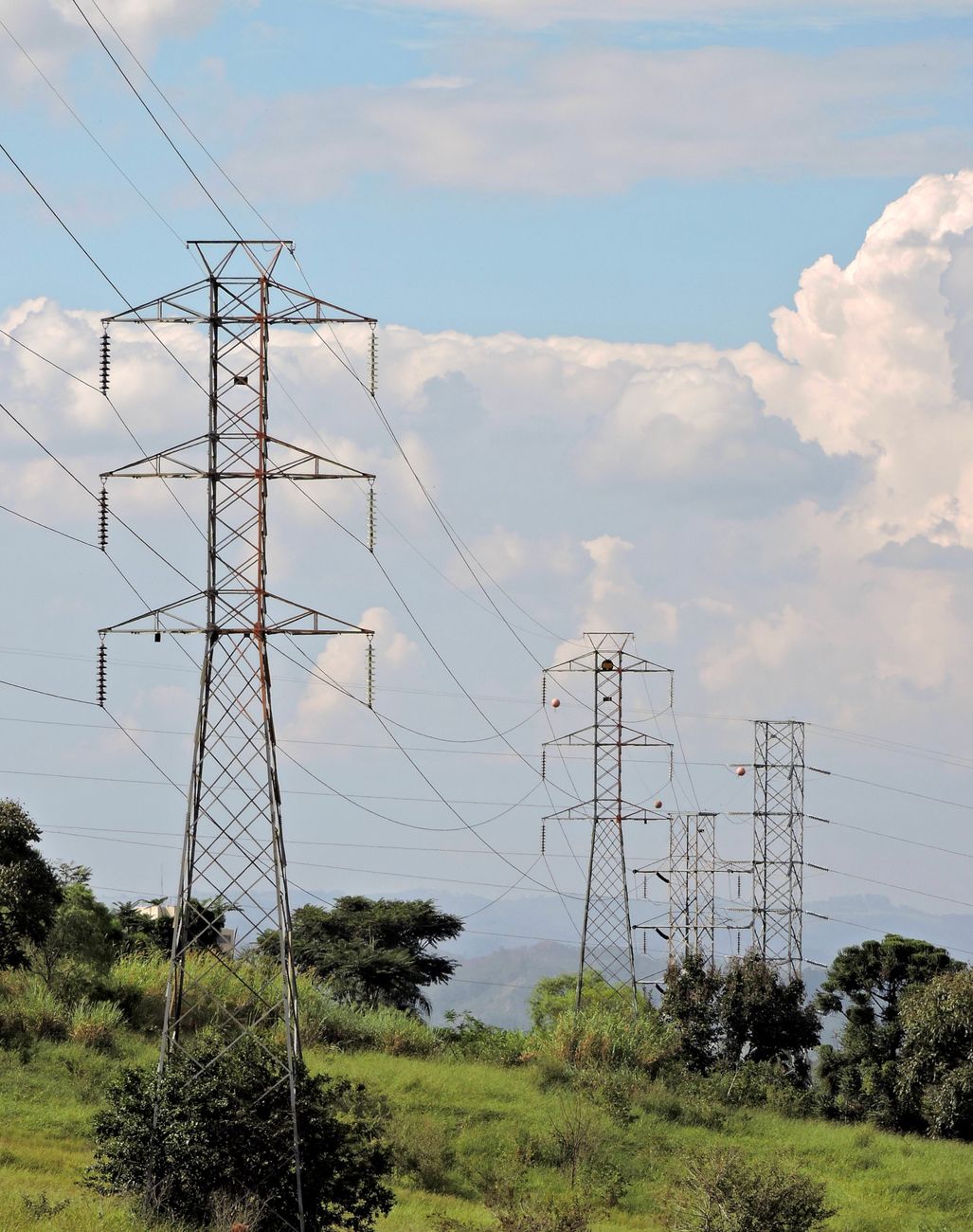
Nigeria Discos Revenue Soars N610B Amid Power Slump
Nigeria's Electricity Distribution Companies saw revenues climb to N2.31 trillion in 2025, a N610 billion jump from 2024, driven by higher billing and...
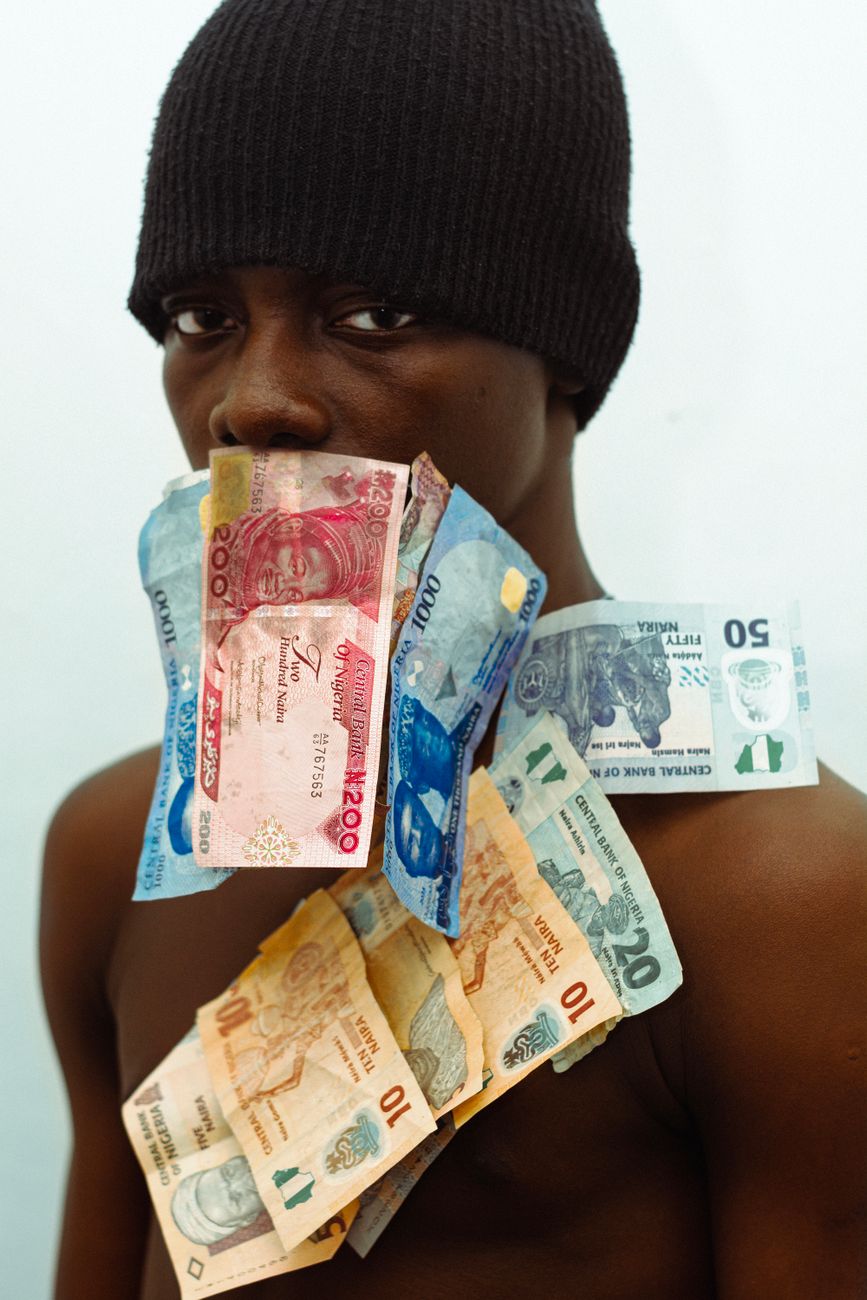
Nigeria's Debt Trap: Revenue Eaten by Loans?
Nigeria's public debt exceeds N159 trillion ($111B), driven by naira depreciation and N30T Ways and Means securitisation. Debt servicing consumes over...

Nigeria Private Credit Hits N94.6tn Record as Gov Borrowing Soars
Central Bank of Nigeria data shows private sector credit surging to a record N94.61 trillion in February 2026 from N93.74 trillion in January, while n...

8 Banks' AMCON, NDIC Fees Explode to N993B in 2025
Eight major Nigerian banks, including Zenith Bank, Access Holdings, and GTCO, collectively spent N993.34 billion on AMCON levies and NDIC premiums in ...

Ovia Exits Zenith: Bello New Chair, N10 Dividend Soars
At Zenith Bank's 35th AGM, founder Jim Ovia retired after 12 years as Chairman per CBN rules, paving way for Engr. Mustafa Bello, longest-serving Non-...
你可能还喜欢




Elijah Tobs
A seasoned content architect and digital strategist specializing in deep-dive technical journalism and high-fidelity insights. With over a decade of experience across global finance, technology, and pedagogy, Elijah Tobs focuses on distilling complex narratives into verified, actionable intelligence.
Learn More About Elijah Tobs


