A seasoned content architect and digital strategist specializing in deep-dive technical journalism and high-fidelity insights. With over a decade of experience across global finance, technology, and pedagogy, Elijah Tobs focuses on distilling complex narratives into verified, actionable intelligence.
天文学家们即将迎来一项具有开创性的发现,这可能重塑我们对宇宙的理解。一项新研究显示,NASA 即将推出的 Nancy Grace Roman Space Telescope 可能能够探测到难以捉摸的中子星,这些是质量巨大的恒星爆炸后留下的隐藏残骸。这些宇宙物体通常对大多数望远镜不可见,但可以使用引力微透镜现象来揭示它们,而 Roman 正是独特配备来研究这一现象的。
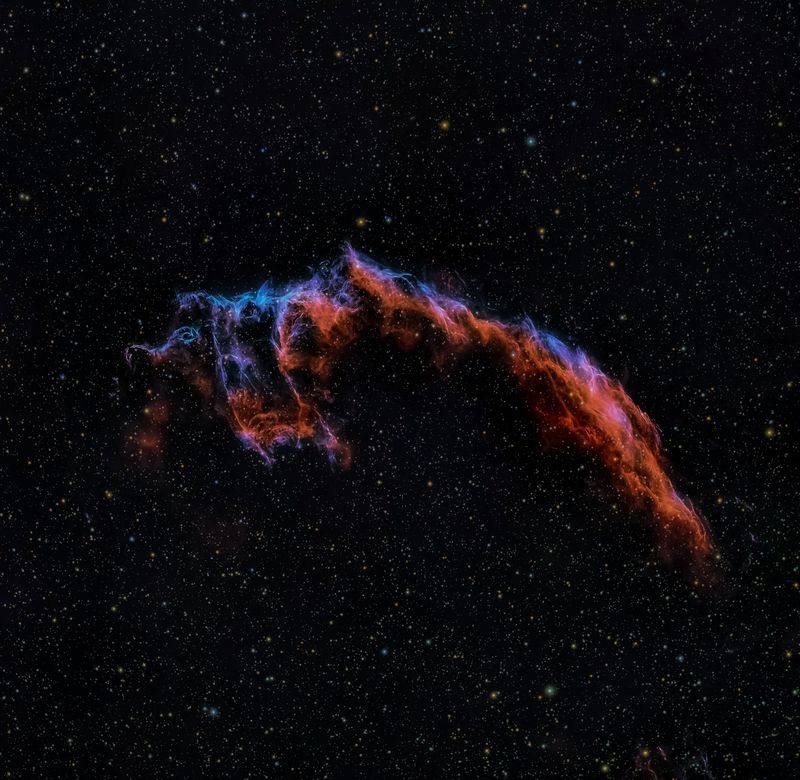
孤立中子星的可视化,一个城市大小、太阳质量密度的物体。 (Credit: Scott Lord via Pexels)
该研究发表在 Astronomy and Astrophysics 上,提出 NASA 的 Nancy Grace Roman Space Telescope 可能改变这一局面。Roman 的创新方法,即引力微透镜,能够通过测量其强烈引力如何弯曲并增强其后方遥远恒星的光芒来探测这些微弱物体。
引力微透镜发生在像中子星这样的质量物体在地球和遥远恒星之间移动时,会扭曲恒星的光芒。这种短暂的亮度增强使天文学家能够发现否则会隐藏的物体。Roman 的先进能力使其能够同时测量亮度增加(光度测量)和背景恒星位置的细微偏移(天体测量)。这些测量的结合提供了更精确的方法来识别和研究中子星。有关 Roman 能力的更多信息,请参阅 STScI's Roman mission page。
天体测量微透镜发生在前景物体(如中子星)经过更遥远背景恒星前方时。中子星的引力弯曲遥远恒星的光芒,将其分裂成多条到达望远镜的路径。虽然这些扭曲图像无法分辨,但它们的组合光芒会显得更亮,并略微偏离遥远恒星的真实位置。随着两个物体间对齐随时间变化,这种表观偏移会在天空中描出一条小的椭圆图案。该椭圆的大小取决于光线弯曲的强度,这意味着更质量大的物体会产生更大的偏移,从而允许天文学家直接测量原本不可见的中子星的质量。 NASA, STScI, Joyce Kang (STScI) 引力微透镜:中子星的引力产生可测量的亮度和位置偏移。 (Credit: Zelch Csaba via Pexels)
Roman 识别这些物体的能力可能为天文学家提供首批孤立中子星的大样本,帮助揭示先前巡天中隐藏的人群。
此信息图描述了 NASA 的 Nancy Grace Roman Space Telescope 将开展的银河中央凸起时域巡天。Roman 核心巡天中最小的一项,该观测程序包括对六个视场重复访问,总覆盖 1.7 平方度。其中一个视场刺穿银河系的正中心,其他视场附近, , 所有这些区域在天空中将每年春秋两次各 72 天可见给 Roman。该巡天主要包括六个季节(早期三个,Roman 主要任务末期三个),期间 Roman 每 12 分钟观测每个视场。Roman 还在任务其他时间以较低强度观测这些视场,允许天文学家探测可持续数年的微透镜事件,这表明孤立恒星质量黑洞的存在。 NASA’s Goddard Space Flight Center 银河中央凸起区域:数百万颗恒星被扫描以寻找微透镜事件。 (Credit: Ron Lach via Pexels)
微透镜与宇宙发现的新篇章
Roman 独特的光度测量和天体测量能力相结合,使其不仅追求一个科学目标,而是众多目标。McGill 指出,通过微透镜探测中子星和黑洞的能力原本并非 Roman 设计的一部分,但已成为其最令人兴奋的应用之一。“这不是最初计划的一部分,”他说。“但事实证明,Roman 的天体测量能力非常适合探测中子星和黑洞,因此我们可以为 Roman 的巡天增添一种全新的科学。”
"Will the Roman Telescope discover the first isolated neutron star's mass?"
Gravitational microlensing occurs when a neutron star passes in front of a distant star, bending and brightening its light. Roman measures both brightness increase (photometry) and position shift (astrometry) for precise detection.
Roman combines photometric and astrometric microlensing capabilities, allowing direct mass measurements of isolated neutron stars through the size of the elliptical shift in the background star's position.
The Galactic Bulge Time Domain Survey will scan millions of stars in the galactic bulge every 12 minutes across six fields, detecting microlensing events.
Most neutron stars are dim and isolated, making them undetectable without gravitational effects like microlensing.
Roman could determine the mass distribution of neutron stars and black holes, their boundary, and their galactic velocities after supernova kicks.